Introduction
Socialization is one of the most important aspects of raising a well-behaved and emotionally balanced dog. Whether you’ve just brought home a playful puppy or adopted an adult dog, proper socialization helps them feel comfortable in different environments, around people, animals, and new experiences. A well-socialized dog is less likely to be fearful, aggressive, or anxious.
We will discuss in this blog why socialization is crucial, how to properly socialize puppies and adult dogs, what are the common problems, and tips that work.
Why Socialization Matters
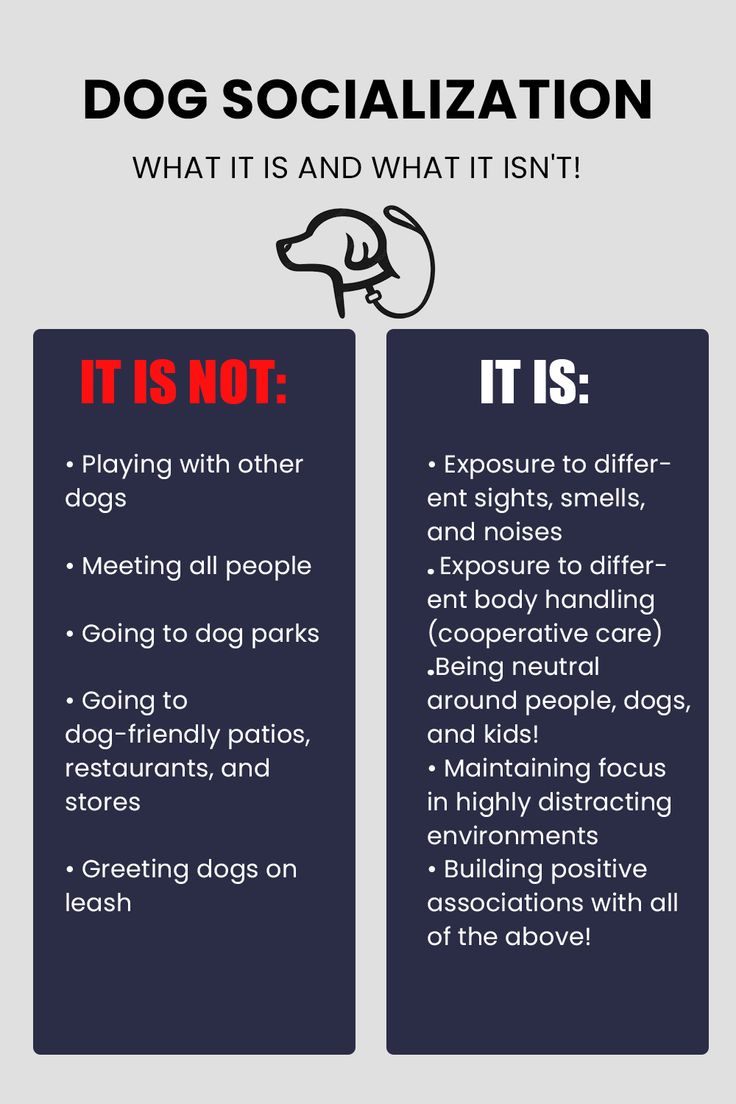
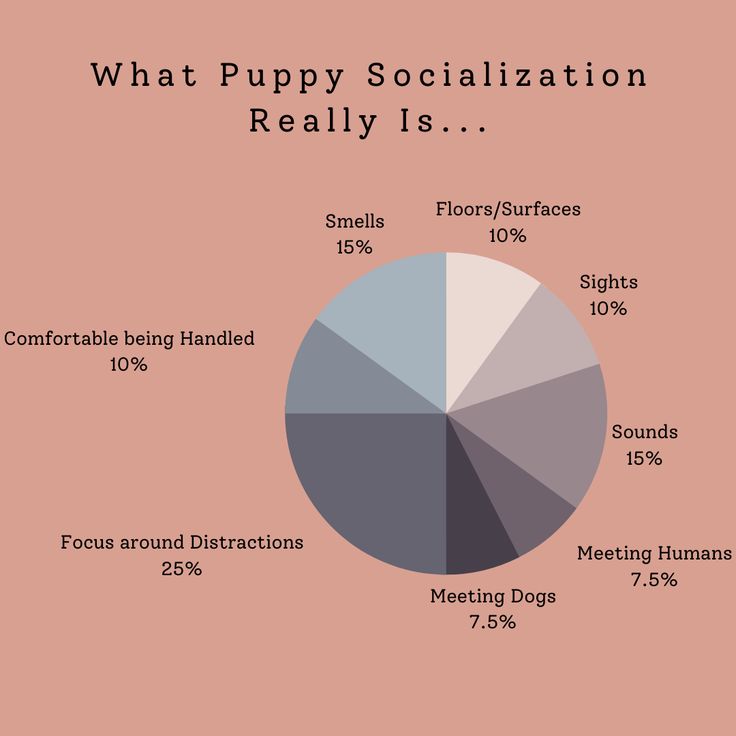
Tips for Puppies and Adult Dogs. Socialization is the process of gently exposing a dog to various stimuli in a positive and controlled manner. These stimuli may include:
- People of all ages and appearances
- Other animals (dogs, cats, livestock, etc.)
- Sounds (traffic, fireworks, vacuum cleaners)
- Environments (urban streets, parks, homes)
- Objects (umbrellas, hats, wheelchairs, strollers)
Without proper socialization, dogs may grow up fearful or aggressive toward unfamiliar things. Early positive experiences build confidence, reduce fear, and help prevent behavioral problems down the line.
The Ideal Socialization Period for Puppies
Tips for Puppies and Adult Dogs. The prime socialization window for puppies is between 3 to 14 weeks of age. During this critical time, they are most receptive to new experiences and less likely to react with fear.
While this doesn’t mean you stop socializing after 14 weeks, it does mean early exposure is key.
Socialization Tips for Puppies
1. Start Early, But Safely
Tips for Puppies and Adult Dogs. Puppies need time to build immunity through vaccinations, but you can still start socializing before they’ve had all their shots. Carry them in your arms or use a stroller in public areas. Invite healthy, vaccinated dogs and people to your home for controlled introductions.
2. Make Every Experience Positive
Associate each new experience with treats, praise, and play. If your puppy meets a stranger or hears a loud noise, reward them for calm behavior. This helps create positive associations.
3. Introduce a Variety of People
Expose your puppy to people of different ages, races, and appearances, including people with hats, beards, glasses, wheelchairs, etc. Puppies that meet a variety of people are more likely to be confident around strangers as adults.
4. Allow Gentle Play with Other Dogs
Arrange playdates with friendly, well-mannered dogs of different sizes and energy levels. This teaches bite inhibition, body language reading, and social boundaries.
5. Expose to Different Environments
Walk your puppy on different surfaces (grass, concrete, sand, stairs) and visit new places like parks, car rides, pet-friendly stores, and outdoor cafés.
6. Don’t Overwhelm
Go at your puppy’s pace. If they appear scared or hesitant, don’t force the situation. Give them space and time, and try again later with a gentler approach.
Socialization Tips for Adult Dogs
Tips for Puppies and Adult Dogs. Socializing adult dogs—especially those with limited past experiences—can be more challenging but is still very possible with patience and consistency.
1. Understand Their History
Tips for Puppies and Adult Dogs. Try to learn about the dog’s past, triggers, and fears. If the dog was neglected, abused, or isolated, it may take longer to build trust and confidence.
2. Start with Low-Stress Environments
Tips for Puppies and Adult Dogs Begin socialization in quiet, controlled environments. Gradually increase exposure to busier settings as the dog becomes more comfortable.
3. Use Positive Reinforcement
Reward calm behavior with treats, praise, and affection. Never punish fearful behavior—it can reinforce anxiety.
4. Introduce New Experiences Gradually
Tips for Puppies and Adult Dogs. If your dog is nervous around people or other dogs, start by observing them from a distance. Gradually reduce the space as your dog remains calm. Always let your dog choose to engage or retreat.
5. Work with a Trainer if Needed
Professional trainers or behaviorists can help desensitize adult dogs to fears or social challenges. They may use techniques like counter-conditioning or controlled exposure to reframe negative experiences.
6. Be Patient and Consistent
Adult dogs take longer to adjust. Progress may be slow, but celebrate small victories like walking calmly past a stranger or sniffing a new object without fear.
Common Socialization Challenges
Tips for Puppies and Adult Dogs.
- Fear-Based Reactions: Growling, barking, or hiding may indicate fear. Avoid punishment and work on slow, positive desensitization.
- Overexcitement: Some dogs get overly excited, especially around other dogs. Teach calm greetings and basic obedience like “sit” or “stay” before interactions.
- Aggression: If a dog reacts aggressively, stop the interaction immediately. Seek guidance from a qualified professional to address underlying causes.
Socialization Checklist
Tips for Puppies and Adult Dogs. Here’s a helpful checklist of experiences and interactions you can work on over time:
People:
- Men, women, children, babies
- People in wheelchairs, crutches, hats, sunglasses
- People clapping, running, yelling, riding bikes
Animals:
- Dogs of different breeds and sizes
- Cats, birds, small pets (in a controlled environment)
- Livestock or wildlife (from a safe distance)
Sounds:
- Vacuum cleaner, thunder, fireworks
- Car horns, sirens, traffic
- Appliances like hairdryers or washing machines
Environments:
- Busy streets, quiet neighborhoods
- Parks, lakes, beaches
- Elevators, staircases, bridges
Objects:
- Mirrors, umbrellas, strollers
- Garbage bins, skateboards, bicycles
Games and Activities That Aid Socialization
- Obstacle Courses: Set up tunnels, cones, or balance beams to expose your dog to new movements and textures.
- Scent Games: Hide treats around different surfaces and environments to encourage exploration.
- Controlled Group Walks: Walk with other dog owners in parallel at safe distances to build social skills calmly.
Final Thoughts
Tips for Puppies and Adult Dogs. Socialization is a lifetime process. It doesn’t stop when your dog reaches a point—it’s something to continue with throughout its life. A dog that continues to discover, meet new individuals, and interact with the world is a happier and more flexible companion.
No matter whether you’re socializing a curious puppy or assisting an older dog in overcoming phobias, the secret is patience, optimism, and perseverance. Your dog will learn to feel confident and at ease in many different situations with time and commitment—prepared to explore the world with you.