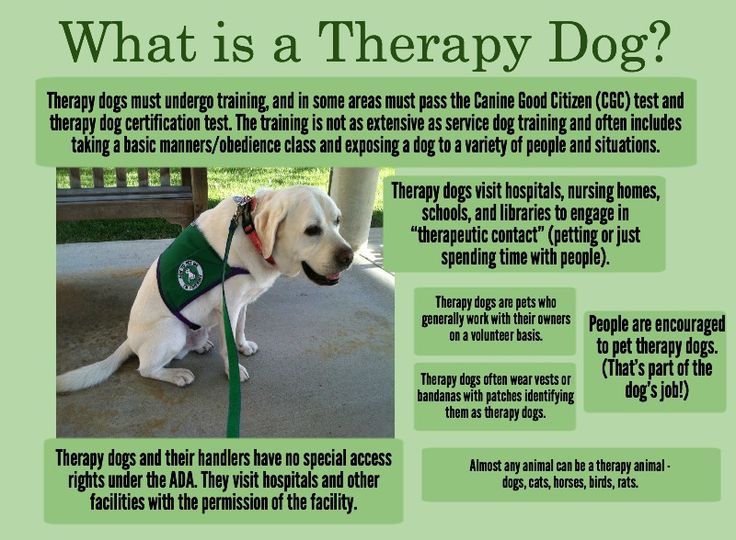
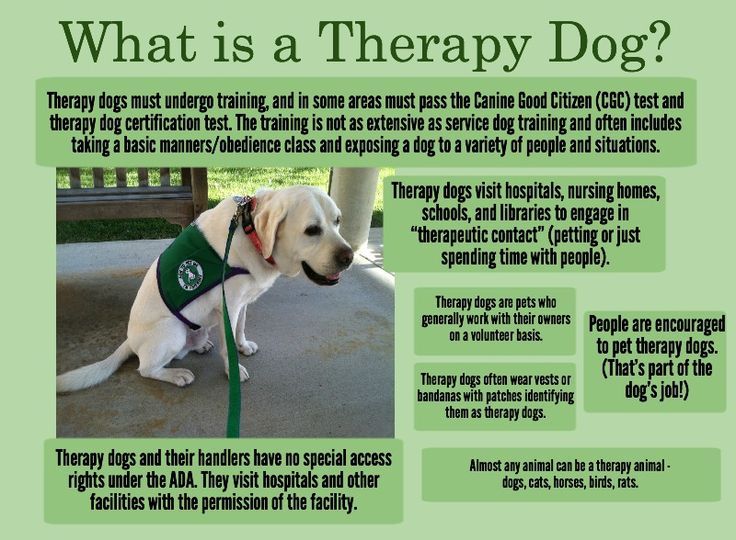
Dogs have been man’s best friend for as long as anyone can remember, providing unconditional love, loyalty, and companionship. But beyond their role as pets, dogs are also used in important therapeutic capacities that play a significant role in human health. Therapy dogs, for example, receive special training to offer comfort, support, and affection to patients in hospitals, nursing homes, schools, disaster zones, and the like. Their presence has been scientifically shown to reduce stress, anxiety, and depression, while also improving physical health and emotional well-being.
In this blog, we’ll explore what therapy dogs are, how they differ from service or emotional support animals, and the many ways they benefit human health.
Table of Contents
What Are Therapy Dogs?
He is trained canines that provide emotional support and comfort to those in need. Contrary to service dogs, which are trained to aid one specific individual (for example, guide the blind), therapy dogs are not trained to help an individual person. Rather, they are trained with a handler to go into different settings—hospitals, schools, rehabilitation centers, and so forth—to comfort and inspire many types of people.
They are generally docile, well-behaved, friendly, and extremely sensitive to human emotions. Golden Retrievers, Labradors, Poodles, and Cavalier King Charles Spaniels are some of the breeds frequently employed because they are gentle and affectionate.
Types of Therapy Dogs

This can be categorized into different roles based on the type of work they do:
- Animal-Assisted Therapy (AAT): These dogs are used in a structured treatment process and work with therapists to help patients achieve specific physical, emotional, or cognitive goals.
- Animal-Assisted Activities (AAA): These are casual visits where therapy dogs provide comfort and joy, such as visiting patients in a hospital or elderly residents in a care home.
- Facility Therapy Dogs: These dogs typically work in one facility and are cared for by a staff member. They provide ongoing comfort to residents, such as in psychiatric centers or nursing homes.
The Psychological Benefits of Therapy
This is a powerful effect on mental health. Their presence has been shown to release oxytocin (the “love hormone”) in the human brain, which promotes feelings of happiness and reduces stress hormones like cortisol. Some key psychological benefits include:
- Reduced Stress and Anxiety: Interacting with a therapy dog can lower heart rate and blood pressure, promoting a sense of calm and reducing symptoms of anxiety.
- Combating Depression: Physical contact with therapy dogs provides a comforting touch, which can alleviate feelings of loneliness and depression.
- Support for PTSD Patients: Veterans and trauma survivors often respond positively to therapy dogs, who help ground them during flashbacks or panic attacks and provide emotional stability.
- Encouragement in Therapy Sessions: In psychological counseling, therapy dogs can act as a bridge between the patient and the therapist, making it easier for clients to open up and express emotions.
Physical Health Improvements
The benefits of therapy dogs extend beyond mental health—they can also positively influence physical health. Research shows several physiological advantages, including:
- Lower Blood Pressure and Heart Rate: Petting a dog triggers a relaxation response that can lower blood pressure and heart rate.
- Pain Management: Patients recovering from surgeries or chronic illnesses report needing less pain medication after therapy dog visits, likely due to the distraction and comfort they provide.
- Improved Mobility: In rehabilitation settings, patients may be more willing to engage in physical activities like walking or stretching when encouraged by a friendly therapy dog.
- Boosted Immune System: Regular positive interactions with therapy dogs can help reduce stress and inflammation, which in turn may enhance immune function.
Therapy Dogs in Various Settings

1. Hospitals and Healthcare Facilities
This is frequently brought into hospitals to help ease patient anxiety, especially before surgeries or medical treatments. They provide emotional support for patients undergoing cancer treatments, recovering from strokes, or dealing with chronic illnesses.
2. Nursing Homes and Assisted Living Centers
Elderly residents often struggle with loneliness and cognitive decline. Therapy dogs help improve their mood, encourage socialization, and in some cases, stimulate memory recall in patients with dementia or Alzheimer’s.
3. Schools and Universities
From kindergarten to college, therapy dogs are increasingly present in educational environments. They help reduce student stress during exams, improve reading skills in children through literacy programs, and provide emotional support to students with special needs.
4. Disaster Areas and Trauma Sites
After traumatic events like natural disasters, shootings, or accidents, therapy dogs are deployed to offer comfort to survivors and first responders. Their calming presence provides psychological relief during chaotic and stressful times.
Training and Certification
Not all dogs are suitable for therapy work. Therapy dogs must undergo specific training to ensure they are well-behaved, non-aggressive, and adaptable to various environments. While not required by law, many therapy dogs are certified by organizations such as:
- Alliance of Therapy Dogs (ATD)
- Therapy Dogs International (TDI)
- Pet Partners
These certifications ensure that the dog has passed behavior tests, health screenings, and obedience training. Handlers must also be trained to read their dog’s cues and manage visits professionally.
The Difference Between Therapy Dogs, Service Dogs, and Emotional Support Animals

It’s important to distinguish between these roles:
- Service Dogs: Trained to perform specific tasks for individuals with disabilities. They are legally protected under the Americans with Disabilities Act (ADA) and allowed access to all public spaces.
- Emotional Support Animals (ESAs): Provide comfort to individuals with mental health issues but are not trained to perform specific tasks. They are not granted public access rights under ADA.
- Therapy Dogs: Provide emotional support to multiple people in institutional settings. They don’t have the same legal access rights as service dogs but can visit approved public places with permission.
Final Thoughts
Therapy dogs are not merely affectionate friends but are healers, comforters, and emotional lifelines. They possess the capacity to relate to humans on an intense emotional level, making them a valuable component of therapy and medicine. Whether a child in learning to read, a soldier fighting PTSD, or a patient recuperating from illness, therapy dogs impart warmth, healing, and smiles to all that they come in contact with.
As society increasingly acknowledges the healing power of animals, therapy dogs will increasingly be in the forefront of fostering overall well-being in the future.