Table of Contents
The Intelligence of Dogs. Dogs have been man’s faithful companions for over a thousand years. But aside from their loyalty and friendship, dogs are also amazingly intelligent, and this feature has always amazed scientists, trainers, and animal owners alike. From problem-solving abilities and emotional intelligence to comprehension of human language and accomplishment of complex activities, dogs are more intelligent than most people know.
In this blog, we’ll explore what makes dogs smart, the different types of intelligence they possess, and how various breeds compare. We’ll also look at how dog intelligence is measured and what this means for the bond between humans and their furry friends.
What Is Dog Intelligence?
The Intelligence of Dogs Canine intelligence is a dog’s capacity for learning, problem-solving, communication, and adjustment to various situations. Canine intelligence, however, is not a one-fits-all kind. Like humans, dogs possess varying forms of intelligence that determine how they act within their environment and their people.
According to Dr. Stanley Coren, a leading expert on canine psychology and author of The Intelligence of Dogs, there are three main types of dog intelligence:
- Instinctive Intelligence – The natural ability a dog is born with. For example, herding dogs like Border Collies instinctively know how to gather livestock without being trained to do so.
- Adaptive Intelligence – A dog’s ability to solve problems on its own and learn from the environment.
- Working and Obedience Intelligence – How well a dog can learn from humans, follow commands, and perform tasks.
Some dogs excel in one type more than others, which is why comparing intelligence across breeds isn’t always straightforward.
Measuring Dog Intelligence
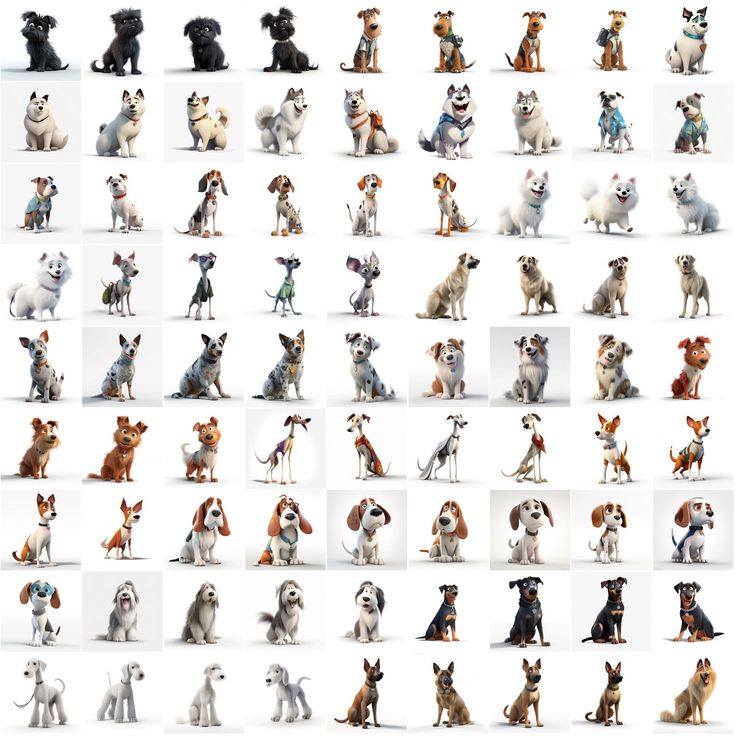
The Intelligence of Dogs While we can’t give dogs IQ tests like we do for humans, researchers have developed ways to assess canine intelligence through a series of problem-solving tests, command responses, and observational studies.
Key indicators of dog intelligence include:
- The ability to learn new commands quickly
- Memory retention of commands and behaviors
- Problem-solving skills (like figuring out how to get a treat from a puzzle toy)
- The ability to understand human gestures and emotions
- Social learning by observing other dogs or people
The Intelligence of Dogs is one famous study by Dr. Coren ranked dog breeds based on how quickly they learned commands and how often they obeyed them on the first try. The top-tier dogs could learn a new command in fewer than five repetitions and obey 95% of the time or more.
The Smartest Dog Breeds
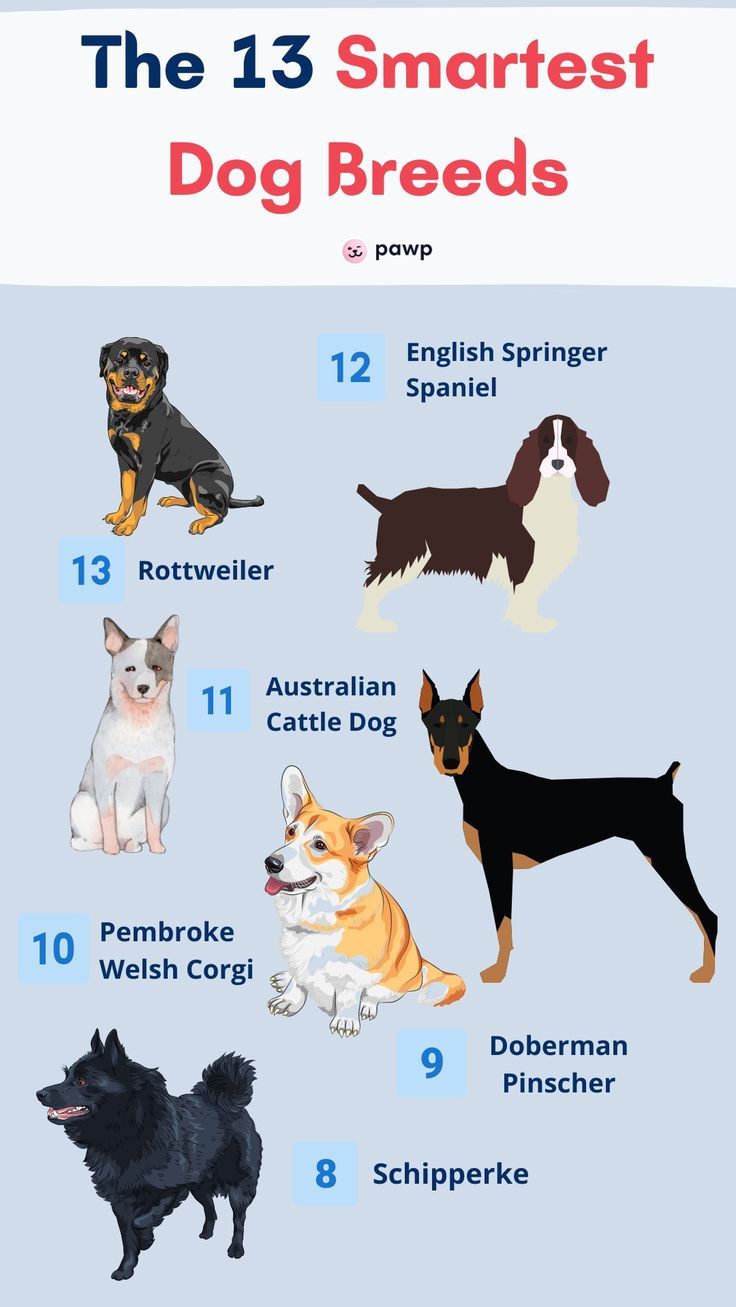
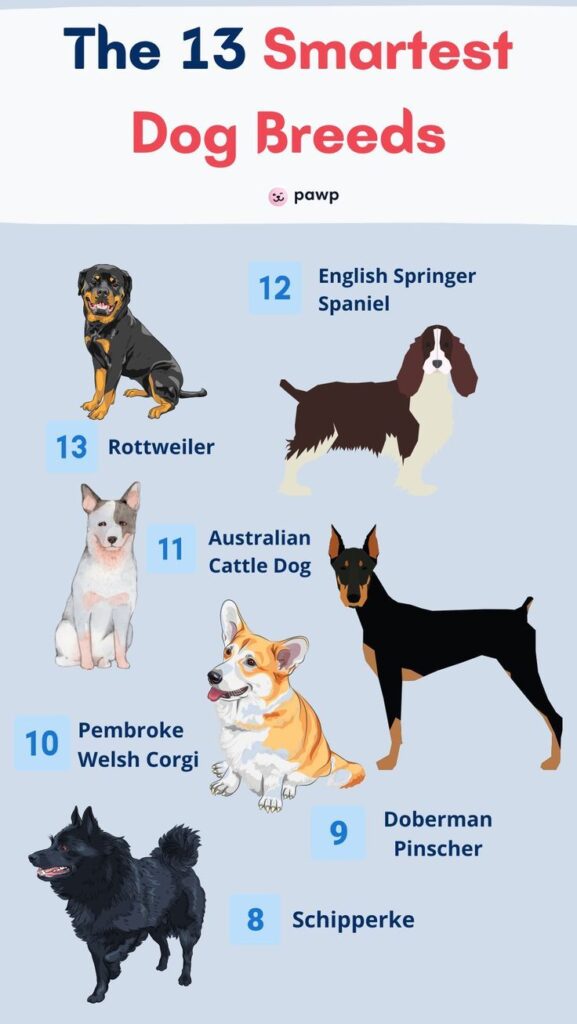
The Intelligence of Dogs Based on Coren’s research and other scientific studies, here are some of the most intelligent dog breeds:
- Border Collie – Often regarded as the most intelligent dog breed, Border Collies are exceptional at learning commands and performing complex tasks. They’re commonly used in herding and agility competitions.
- Poodle – These dogs aren’t just stylish; they’re incredibly smart and easily trainable. Their intelligence, combined with their hypoallergenic coat, makes them a popular family dog.
- German Shepherd – Known for their loyalty and working abilities, German Shepherds excel in police, military, and service roles due to their trainability and problem-solving skills.
- Golden Retriever – Gentle, friendly, and highly trainable, Golden Retrievers are great at therapy work and often serve as guide dogs.
- Doberman Pinscher – These alert and energetic dogs are quick learners and highly responsive to training.
- Labrador Retriever – America’s favorite breed is not just friendly and good-natured, but also smart and obedient, making them ideal service dogs.
It’s important to remember that intelligence doesn’t make one breed “better” than another. A dog’s personality, energy level, and compatibility with your lifestyle are equally important.
Dogs Understand Human Language and Emotions
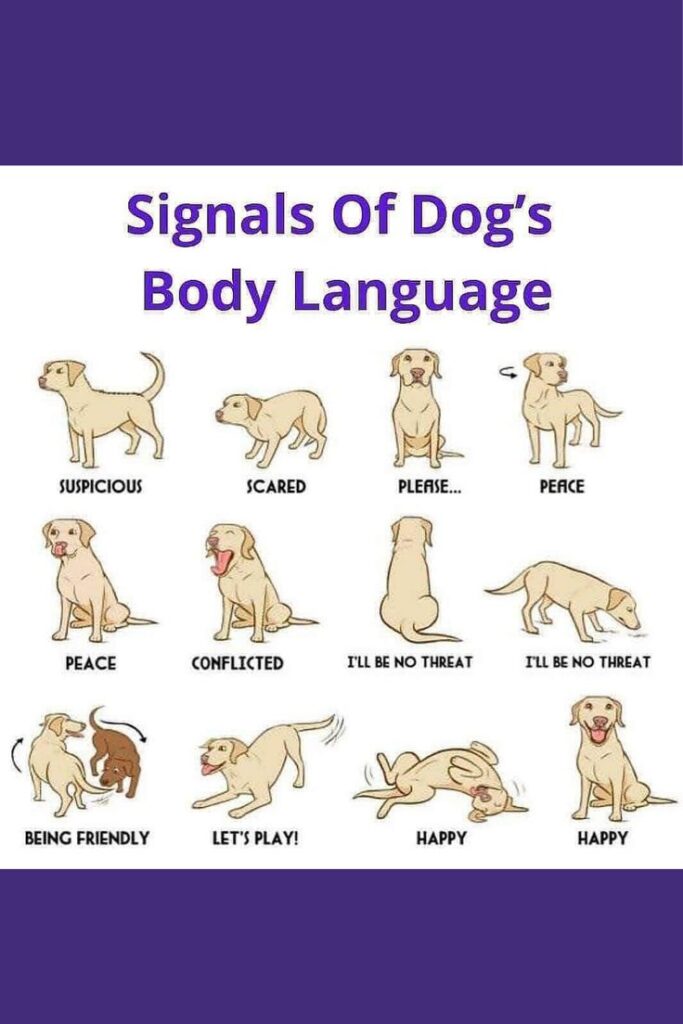
The Intelligence of Dogs is One of the most impressive aspects of dog intelligence is their ability to understand human speech and body language. Some studies show that dogs can understand over 100 words, and some exceptional individuals like “Chaser,” a Border Collie, have been reported to know over 1,000 words.
Dogs are also experts at reading human facial expressions, gestures, and tones of voice. They can sense when we’re sad, stressed, or happy and often respond accordingly. This emotional intelligence helps explain why dogs are such effective therapy animals.
Problem Solving and Learning Abilities
The Intelligence of Dogs. Dogs can learn from both experience and observation. Many have been seen opening doors, using tools (like pushing furniture to reach a treat), or solving puzzle toys that require several steps. Dogs are capable of trial-and-error learning, and they can also imitate behaviors from humans or other dogs.
Some researchers compare a dog’s intelligence to that of a 2 to 2.5-year-old child. Like toddlers, dogs show basic reasoning, memory, and emotional understanding. They also experience basic emotions such as joy, fear, anger, and even jealousy.
Can Dogs Outsmart Their Owners?
The Intelligence of Dogs. At times, dogs get too smart for their good. Highly intelligent breeds can easily get bored if they do not get enough mental stimulation. This makes them destructive and can lead to chewing furniture or digging holes. Smart dogs need both physical and mental exercises—like obedience training, agility courses, or interactive toys—to stay happy and well-behaved.
If you have a smart dog, be one step ahead by changing toys, adding new tricks on a regular basis, and engaging them in daily activities.
Are Some Dogs Smarter Than Others?
The Intelligence of Dogs While breed intelligence is a helpful guideline, individual dogs vary greatly. A so-called “less intelligent” breed may still outperform a “smart” one depending on its personality, upbringing, and environment. Also, some dogs may not excel in obedience but might be highly intelligent in instinctive or adaptive ways.
For example, a hunting dog may not learn tricks quickly but will excel at tracking scents, navigating terrain, and working independently. That’s why understanding your dog’s strengths is key to bringing out their full potential.
How to Improve Your Dog’s Intelligence

Just like humans, dogs can develop their intelligence through stimulation and training. Here are a few tips:
- Daily Training Sessions – Teach new commands and reinforce existing ones.
- Interactive Toys and Puzzles – Use toys that challenge your dog to think and problem-solve.
- Socialization – Let your dog interact with other dogs and people to learn social cues.
- Games and Challenges – Play hide-and-seek, fetch, or scent-tracking games.
- Agility Training – Enroll your dog in an agility course or create one in your backyard.
Final Thoughts
Dogs are amazingly smart animals with broad cognitive and emotional capacities. Although some breeds excel at obedience or task response, each dog possesses its own type of smarts—whether it’s learning to open a latch, knowing when you’re upset, or learning to soothe a child.
Learning about and building your dog’s intelligence not only makes their life happier and more meaningful, but also strengthens the relationship you have. Intelligence in dogs isn’t so much about what they can accomplish as it is about how well they relate to us.