
Canine Nutrition Of all things when it comes to maintaining your dog’s health, happiness, and high energy levels, nothing is more critical than nutrition. Like people need a balanced diet to prosper, dogs also need the right combination of proteins, fats, carbohydrates, vitamins, minerals, and water. A healthy dog has a better chance of possessing a robust immune system, shiny fur, healthy teeth, and an extended, active lifespan.
In this blog, we’ll explore the fundamentals of canine nutrition, how to choose the best food for your dog, and feeding practices that promote optimal health.
Table of Contents
1. Understanding Your Dog’s Nutritional Needs
Canine Nutrition Every dog is unique, but all dogs share certain basic nutritional requirements. The six main components of a healthy canine diet are:
1. Protein – Essential for building and repairing tissues, supporting immune function, and producing enzymes and hormones. Dogs are primarily carnivorous and thrive on high-quality animal proteins such as chicken, beef, fish, turkey, and lamb.
2. Fats – Provide concentrated energy, support cell function, and help absorb fat-soluble vitamins (A, D, E, and K). They also keep your dog’s coat shiny and skin healthy.
3. Carbohydrates – Supply energy and dietary fiber. While dogs can survive without carbs, quality sources like sweet potatoes, brown rice, and oats can be beneficial for digestion and sustained energy.
4. Vitamins – Aid in various bodily functions, from bone growth to vision to metabolism. A balanced diet usually provides sufficient vitamins without the need for supplementation unless prescribed by a vet.
5. Minerals – Support bone structure, nerve function, and metabolic processes. Important minerals include calcium, phosphorus, potassium, and zinc.
6. Water – The most essential nutrient of all. Water supports every physiological process, from digestion to temperature regulation.
2. Life Stage Nutrition

A dog’s Canine Nutrition requirements change throughout its life:
- Puppies need extra calories, protein, and fat to support rapid growth and development. Puppy-specific formulas are enriched with nutrients like DHA for brain development.
- Adult dogs require a balanced maintenance diet that provides enough energy to support activity without promoting obesity.
- Senior dogs benefit from diets lower in calories but higher in fiber, with added joint-supporting nutrients such as glucosamine and chondroitin.
Matching your dog’s food to its life stage is essential to avoid under- or over-nutrition.
3. Breed and Size Considerations
Canine Nutrition Different breeds and sizes have different nutritional needs:
- Small breeds often have faster metabolisms, requiring calorie-dense food in smaller portions.
- Large breeds are prone to joint issues, so they may need food enriched with joint-support nutrients and controlled calcium to prevent skeletal problems.
- Working and active breeds burn more calories and may need higher protein and fat levels for sustained energy.
4. Choosing the Right Dog Food
Canine Nutrition With the pet food market overflowing with options, picking the right one can be overwhelming. Here’s what to consider:
1. Look for AAFCO Approval – In the U.S., the Association of American Feed Control Officials (AAFCO) sets nutritional standards. An AAFCO-approved food meets the minimum nutrient requirements for your dog’s life stage.
2. Read the Ingredient List – The first ingredient should be a high-quality protein source. Avoid foods with excessive fillers like corn, soy, or wheat as primary ingredients.
3. Consider the Type of Food –
- Dry kibble: Convenient, long-lasting, and good for dental health.
- Wet/canned food: Higher moisture content, often more palatable, but less convenient for storage.
- Fresh or raw diets: Offer natural ingredients and fewer preservatives, but require careful handling to avoid bacterial contamination.
4. Avoid Harmful Ingredients – Steer clear of artificial colors, flavors, and preservatives. Also avoid foods with unnamed “meat by-products” as the primary protein source.
5. Feeding Practices for Optimal Health

1. Portion Control – Overfeeding is one of the leading causes of obesity in dogs, which can lead to diabetes, heart disease, and joint problems. Follow your vet’s recommendations or the feeding guidelines on the packaging, adjusting based on your dog’s activity level.
2. Scheduled Feeding – Consistency helps digestion and keeps your dog’s metabolism stable. Most adult dogs do well on two meals per day; puppies may need three to four.
3. Monitor Body Condition – Canine Nutrition Use the Body Condition Score (BCS) system to determine if your dog is underweight, overweight, or at an ideal weight. You should be able to feel your dog’s ribs without pressing too hard, and they should have a visible waist when viewed from above.
4. Limit Treats – Treats should make up no more than 10% of your dog’s daily calorie intake. Opt for healthy treats like small pieces of cooked meat, carrots, or commercial low-calorie options.
6. Special Diets and Health Conditions
Canine Nutrition Some dogs require specialized diets:
- Allergies and Sensitivities – Symptoms like itching, ear infections, or gastrointestinal upset may be linked to food allergies. Novel protein diets (duck, venison) or hydrolyzed protein diets can help.
- Joint Health – Diets with Canine Nutrition added omega-3 fatty acids, glucosamine, and chondroitin can support mobility in dogs with arthritis.
- Kidney or Liver Disease – Dogs with organ issues may require prescription diets formulated to reduce workload on the affected organs.
- Weight Management – Low-calorie, high-fiber foods help with gradual, healthy weight loss.
Always consult your veterinarian before making significant dietary changes.
7. Human Foods: Safe vs. Dangerous
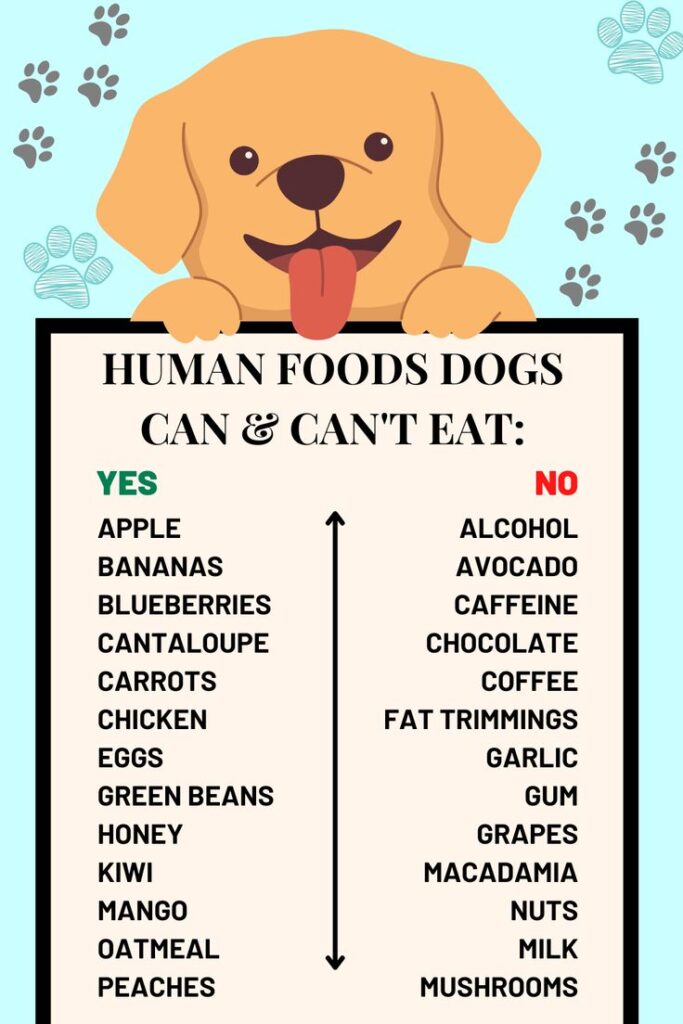
Some human foods are Canine Nutrition safe for dogs in moderation, while others can be toxic:
Safe in small amounts:
- Lean cooked meats (chicken, turkey)
- Plain cooked rice or pasta
- Carrots, blueberries, apples (without seeds)
- Pumpkin (plain, cooked)
Toxic and dangerous:
- Chocolate
- Grapes and raisins
- Onions and garlic
- Avocado
- Xylitol (found in sugar-free products)
8. Hydration Matters
Dogs need Canine Nutrition constant access to fresh water. Dehydration can lead to kidney issues, heatstroke, and other serious conditions. A good rule is one ounce of water per pound of body weight daily, but active or hot-weather dogs may need more.
9. The Role of Supplements
Canine Nutrition While a balanced diet should cover most nutritional needs, some supplements can benefit certain dogs:
- Omega-3 fatty acids for skin, coat, and joint health.
- Probiotics for digestive health.
- Glucosamine and chondroitin for joint support.
Never give supplements without consulting your vet, as overdosing can cause harm.
10. Final Thoughts
Nourishing your dog for peak health is not just a matter of filling a dish—it’s a matter of making conscious choices that help meet their individual needs. By offering well-balanced, high-quality foods, portioning out meals wisely, and steering clear of toxic foods, you give your dog the best chance at a longer, healthier, more colorful life.
Remember: Your veterinarian is your best ally in developing a diet that’s ideal for your dog’s age, breed, activity level, and health conditions. Proper nutrition and care with the help of your vet can keep your furry friend thriving for years to come.