

Dogs are not just our faithful friends—they are smart, social animals with emotional lives and complicated brains. While good food, veterinary visits, and physical exercise are necessary for a healthy dog, many pet parents forget another equally important part of their health: play and mental stimulation.
Just like humans, Mental Stimulation in Dogs, dogs can become bored, stressed, and even depressed if their minds aren’t engaged. Providing opportunities for play and mental enrichment doesn’t just keep your dog entertained—it also improves their behavior, strengthens your bond, and enhances their overall quality of life. In this blog, we’ll explore why mental stimulation is so important for dogs, how play impacts their health, and practical ways to keep your furry friend happy and mentally sharp.
Table of Contents
Why Mental Stimulation Matters for Dogs
Dogs are natural problem-solvers and explorers. Mental Stimulation in Dogs, Their ancestors, wolves, spent much of their time hunting, tracking, and navigating complex environments. Even though domesticated dogs no longer need to hunt for survival, those instincts remain hardwired.
When dogs lack mental stimulation, they can develop boredom and frustration, which often leads to destructive behaviors such as chewing furniture, digging, excessive barking, or even anxiety. Providing your dog with mental challenges gives them a productive outlet for their energy and satisfies their innate need to use their brains.
Benefits of Mental Stimulation

- Reduces Behavioral Issues – Dogs with mental enrichment are less likely to develop destructive habits because they are too engaged to get bored.
- Supports Emotional Health – Stimulation prevents anxiety and depression by keeping your dog mentally balanced.
- Boosts Cognitive Function – Like humans, mental exercise helps keep a dog’s brain sharp, slowing down cognitive decline as they age.
- Strengthens the Human-Dog Bond – Interactive play and training deepen trust and communication between you and your pet.
The Role of Play in a Dog’s Life
Play is not just about having fun—it’s a natural way for dogs to learn, release energy, and express themselves. Puppies, for instance, play to practice social skills, test boundaries, and develop coordination. Adult dogs use play to stay physically fit and mentally sharp.
Dogs who regularly engage in play show signs of higher happiness levels, better behavior, and greater adaptability to new situations. Moreover, play stimulates the release of endorphins, which helps regulate mood and reduce stress.
Types of Play
- Interactive Play: Games like fetch, tug-of-war, or hide-and-seek engage both body and mind.
- Independent Play: Toys such as chew bones or treat-dispensing puzzles keep dogs entertained when you’re busy.
- Social Play: Interactions with other dogs at parks or daycare encourage socialization and reduce loneliness.
Mental Stimulation in Dogs. Each type of play serves a unique purpose, and a healthy balance of them ensures your dog’s needs are fully met.
Signs Your Dog Needs More Mental Stimulation
Every dog is different, but there are clear indicators that your furry friend may be lacking enrichment. Some signs include:
- Excessive barking or whining
- Restlessness or pacing
- Chewing household items
- Digging holes in the yard
- Escaping or trying to run away
- Seeming depressed or withdrawn
If you notice these behaviors, it may be your dog’s way of telling you they need more playtime or mental challenges in their routine.
Ways to Provide Mental Stimulation for Your Dog

The good news is that keeping your dog mentally stimulated doesn’t have to be expensive or complicated. Here are some effective strategies:
1. Puzzle Toys and Food Enrichment
Puzzle feeders and treat-dispensing toys make your dog work for their food, engaging their problem-solving skills. Simple activities like stuffing a Kong toy with peanut butter or hiding kibble around the house encourage natural foraging behavior.
2. Training and Learning New Tricks
Mental Stimulation in Dogs. Training isn’t just about obedience—it’s also mental exercise. Teaching your dog new tricks, such as rolling over, spinning, or fetching specific items, provides challenges that stimulate their brain. Even short 10–15 minute training sessions can be very rewarding.
3. Scent Games
Dogs have an extraordinary sense of smell, and scent-based games allow them to use this natural ability. Hide treats around the house, scatter food in the yard for them to sniff out, or try nose work sports where dogs learn to detect specific scents.
4. Interactive Play
Games like fetch or tug-of-war not only provide physical exercise but also keep your dog mentally engaged as they strategize and respond to your cues.
5. Socialization
Meeting new dogs, going for walks in different environments, or visiting a dog park provides fresh sights, smells, and experiences that keep your dog’s mind sharp.
6. Rotating Toys
Mental Stimulation in Dogs. Dogs can lose interest in toys quickly if they’re always available. Rotate their toys weekly to make old ones feel new and exciting again.
7. Doggy Jobs
Some breeds, especially working dogs like Border Collies, German Shepherds, or Labrador Retrievers, thrive when given tasks. Activities like agility training, herding games, or carrying a backpack on walks give them a sense of purpose.
Mental Stimulation for Senior Dogs
Just like people, older dogs can experience cognitive decline, sometimes referred to as canine dementia. Regular mental enrichment can help slow this process and improve their quality of life. Gentle activities like food puzzles, slow-paced scent games, or short training refreshers are perfect for senior dogs. Mental stimulation keeps them engaged, reduces confusion, and maintains their connection with you.
The Balance Between Physical and Mental Exercise
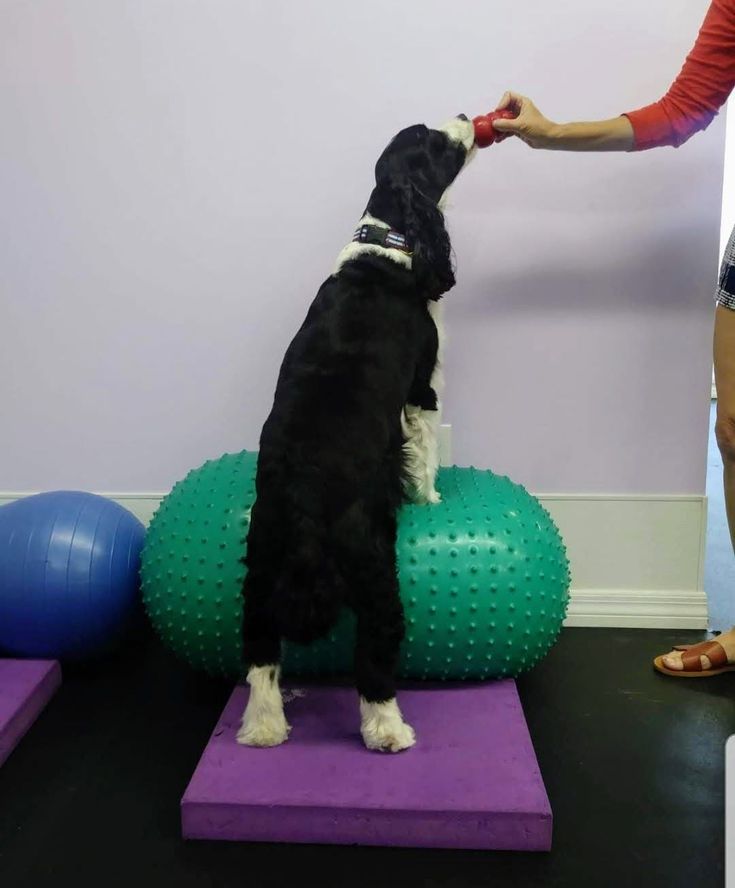
It’s important to remember that dogs need both physical activity and mental enrichment to be truly fulfilled. Mental Stimulation in Dogs. While a long walk might tire your dog physically, combining it with mental challenges—such as practicing commands, letting them sniff freely, or playing games along the way—ensures their whole well-being is supported.
A balanced routine might include:
- A morning walk with some training practice
- Puzzle toys during the day
- Playtime in the evening with fetch or tug-of-war
- Occasional social outings with other dogs
This blend of activities prevents boredom and helps your dog feel happy, loved, and well-rounded.
Final Thoughts
Dogs are intelligent, curious beings who need more than just food and exercise—they need opportunities to think, explore, and play. By incorporating mental stimulation and play into your dog’s daily routine, you’re not only preventing unwanted behaviors but also giving them a happier, healthier life.
It’s our job as pet parents to care for all areas of our dog’s well-being. Whether it’s through puzzle toys, training, scent games, or just a good game of fetch, the time and energy you put into your dog’s mental well-being will be rewarded with tighter bonds, improved behavior, and a happy companion that flourishes throughout all aspects of life.