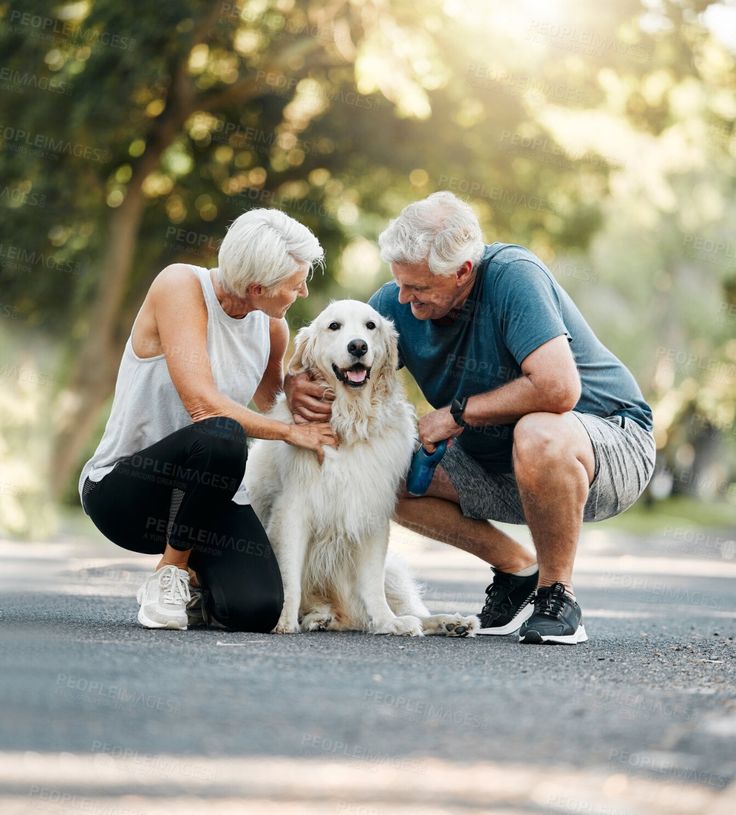
Dog Care, Dogs enrich our lives with unfathomable love, devotion, and joy. Their needs change as they get older, and it is our duty to make sure they have a comfortable, healthy, and happy golden age. Beyond regular feeding and exercise, senior dog care calls for awareness, empathy, and modifications to take into account their aging bodies and minds.
We’ll look at how to tell when your dog is getting older, what changes to anticipate, and how to give them the best care possible during this unique phase of life in this blog.
Table of Contents
When Is a Dog Considered “Senior”?
The age at which a dog is considered senior depends largely on their size and breed.
- Small breeds (like Chihuahuas and Dachshunds) often live longer and may not show signs of aging until 10–12 years old.
- Medium breeds (like Beagles and Cocker Spaniels) usually enter seniorhood around 8–10 years.
- Large and giant breeds (like Labradors, Great Danes, and Mastiffs) tend to age faster, becoming seniors as early as 6–7 years old.
Knowing your dog’s life stage helps you prepare for the care adjustments they’ll need.
Common Signs of Aging in Dogs
Recognizing the signs of aging allows you to make timely changes in care. Some of the most common signs include:
- Reduced energy levels – They may prefer shorter walks and longer naps.
- Stiffness or mobility issues – Arthritis and joint pain are common.
- Weight changes – Some dogs gain weight due to slower metabolism, while others lose weight from health issues.
- Vision and hearing loss – Cloudy eyes or slower responses to sound may appear.
- Behavioral changes – Senior dogs may experience confusion, anxiety, or clinginess.
- Dental problems – Bad breath, difficulty chewing, or tooth loss may develop.
Nutrition for Senior Dogs
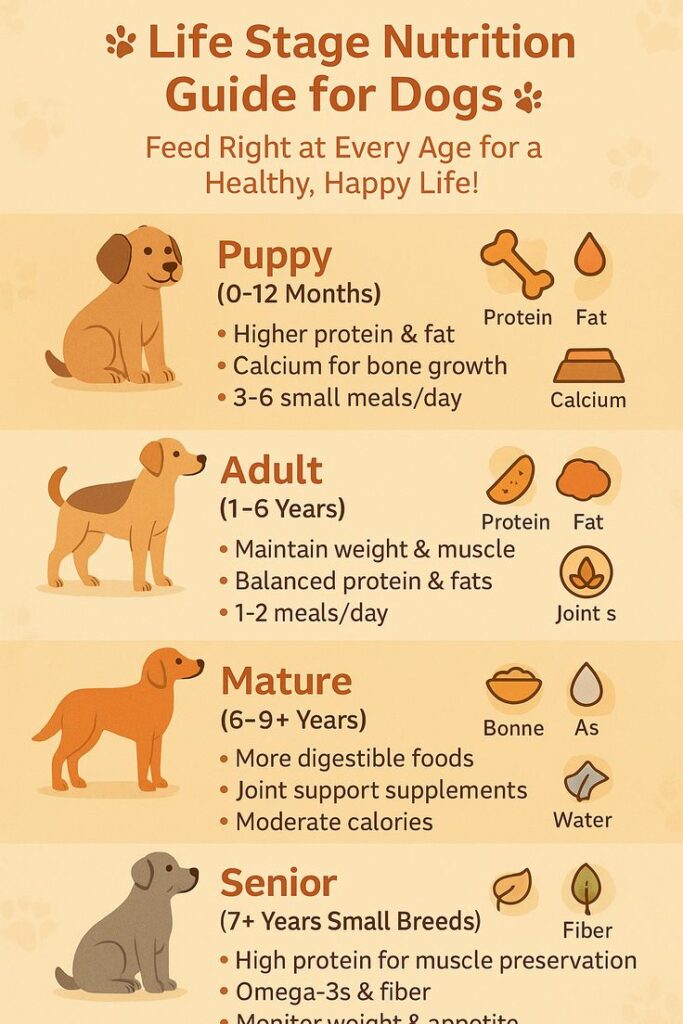
Proper nutrition is the cornerstone of senior dog care. As dogs age, their dietary needs change:
- Lower calories – Older dogs are less active, so they may need fewer calories to avoid weight gain.
- High-quality protein – Helps maintain muscle mass and support organ function.
- Joint-support supplements – Glucosamine, chondroitin, and omega-3 fatty acids help with arthritis and stiffness.
- Easily digestible food – Sensitive stomachs benefit from diets that are gentle on digestion.
- Dental-friendly options – Wet food or softer kibble may be necessary if dental issues arise.
Always consult your veterinarian before switching to a senior-specific diet to ensure it meets your dog’s unique needs.
Exercise and Mobility
Dog Care While older dogs may not have the same energy as they once did, regular exercise is still vital. It helps maintain a healthy weight, strengthens muscles, and supports joint health.
- Shorter, gentler walks – Frequent, moderate activity is easier on aging joints.
- Low-impact exercises – Swimming is excellent for senior dogs, providing movement without strain.
- Mobility aids – Ramps, orthopedic beds, and non-slip rugs help dogs move around comfortably.
Dog Care Avoid overexertion, and pay close attention to signs of pain or fatigue.
Regular Veterinary Care
Preventive healthcare is more important than ever for senior dogs. Regular checkups allow for early detection of age-related conditions.
- Bi-annual vet visits – Senior dogs should see the vet at least twice a year.
- Routine bloodwork – Monitors organ health and detects diseases early.
- Dental care – Professional cleanings prevent painful dental disease.
- Vaccinations and parasite prevention – Still necessary, though tailored to their health status.
Conditions such as kidney disease, diabetes, arthritis, and cancer are more common in senior dogs. Regular veterinary care ensures these issues are managed effectively.
Mental Stimulation and Emotional Care
Just like humans, dogs experience cognitive decline as they age. Dog Care Providing mental enrichment helps keep their minds sharp and reduces stress.
- Interactive toys and puzzles – Keep their problem-solving skills active.
- Training refreshers – Even older dogs enjoy learning simple new tricks.
- Social interaction – Continued bonding with family members prevents loneliness and depression.
Additionally, senior dogs may become more emotionally sensitive, needing extra comfort, reassurance, and patience from their owners.
Comfort at Home
Creating a senior-friendly environment helps aging dogs feel safe and supported.
- Orthopedic beds – Provide joint support and better rest.
- Ramps and steps – Help dogs access beds, couches, or cars without jumping.
- Non-slip flooring – Reduces the risk of falls on slippery surfaces.
- Quiet spaces – Senior dogs may appreciate calm areas where they can rest undisturbed.
Small adjustments in the home environment can dramatically improve your dog’s quality of life.
Special Considerations for Senior Dogs
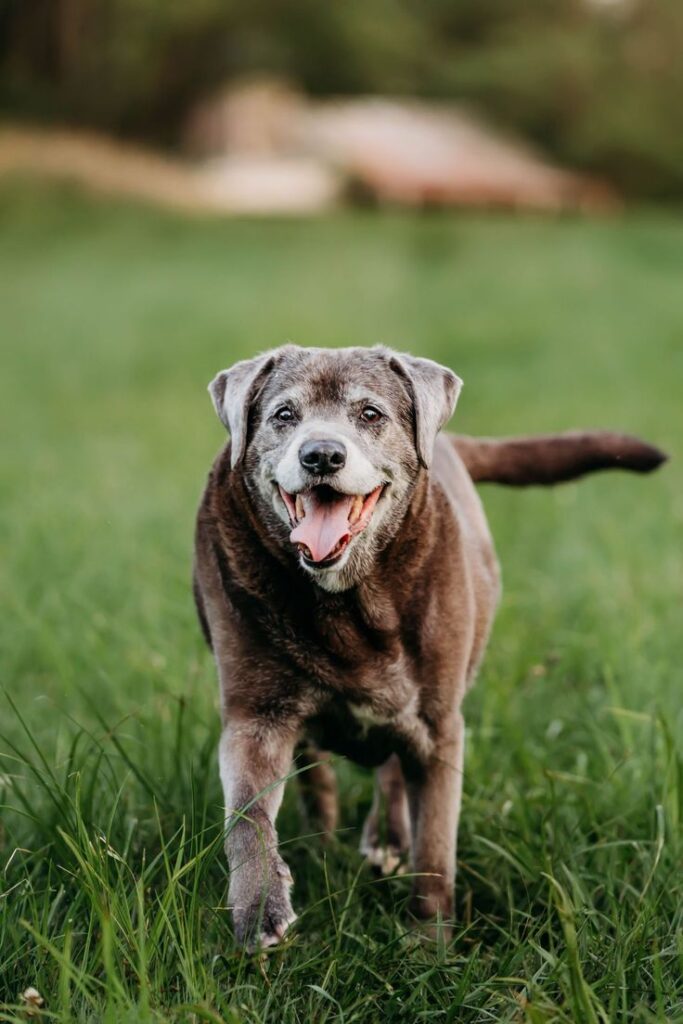
1. Weight Management
Obesity puts extra strain on aging joints and increases the risk of heart disease and diabetes. Dog Care Careful monitoring of diet and exercise helps keep weight in check.
2. Pain Management
Arthritis and joint pain are common but manageable. Medications, supplements, and therapies like acupuncture or hydrotherapy may improve comfort.
3. Grooming
Senior dogs may need more frequent grooming, as they can develop skin issues or have difficulty grooming themselves. Brushing also stimulates circulation and strengthens your bond.
4. End-of-Life Planning
While difficult to think about, planning for your dog’s final stages ensures they live with dignity and comfort. Hospice care, pain management, and emotional support can ease the transition when the time comes.
The Joy of Caring for a Senior Dog
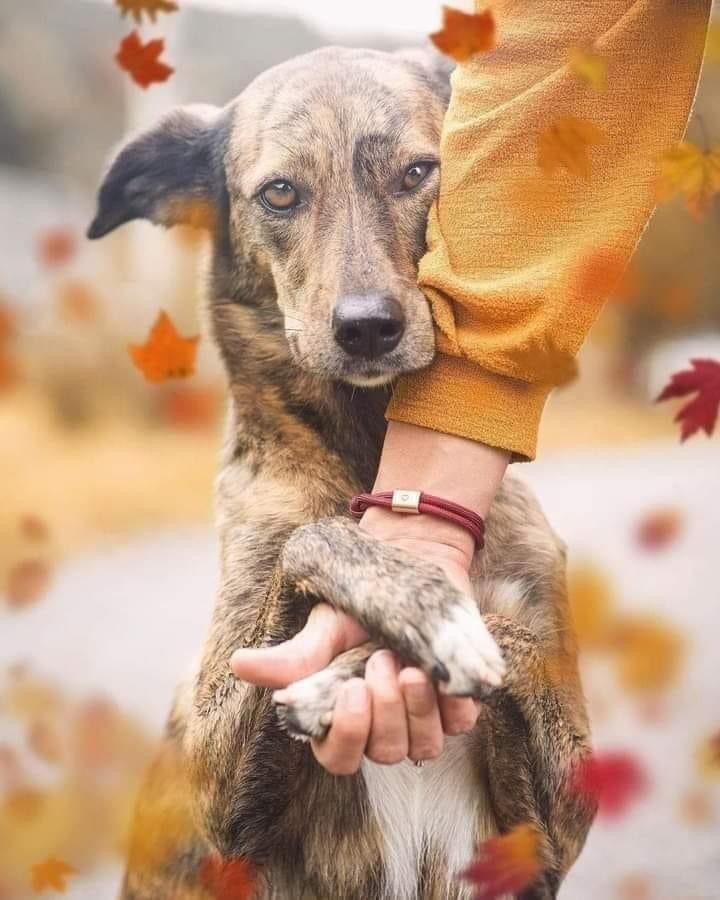
Caring for an older dog is a privilege. While it requires patience and adjustments, it’s also deeply rewarding. Senior dogs often have calmer temperaments, enjoy quiet companionship, and show immense gratitude for the care they receive.
The bond between a senior dog and their owner is profound—built on years of shared love and trust. Providing comfort in their later years is the ultimate way to give back to the loyal friend who has given so much throughout their life.
Conclusion
Compassion, awareness, and adjusting to the evolving needs of an elderly pet are key components of senior dog care. Every change we make, from diet and exercise to medical attention and emotional support, guarantees that our dogs’ golden years are full of love, comfort, and health.
We pay tribute to their lifelong loyalty by understanding their needs and giving them considerate care. After all, even though our dogs get older, their love only gets stronger over time.