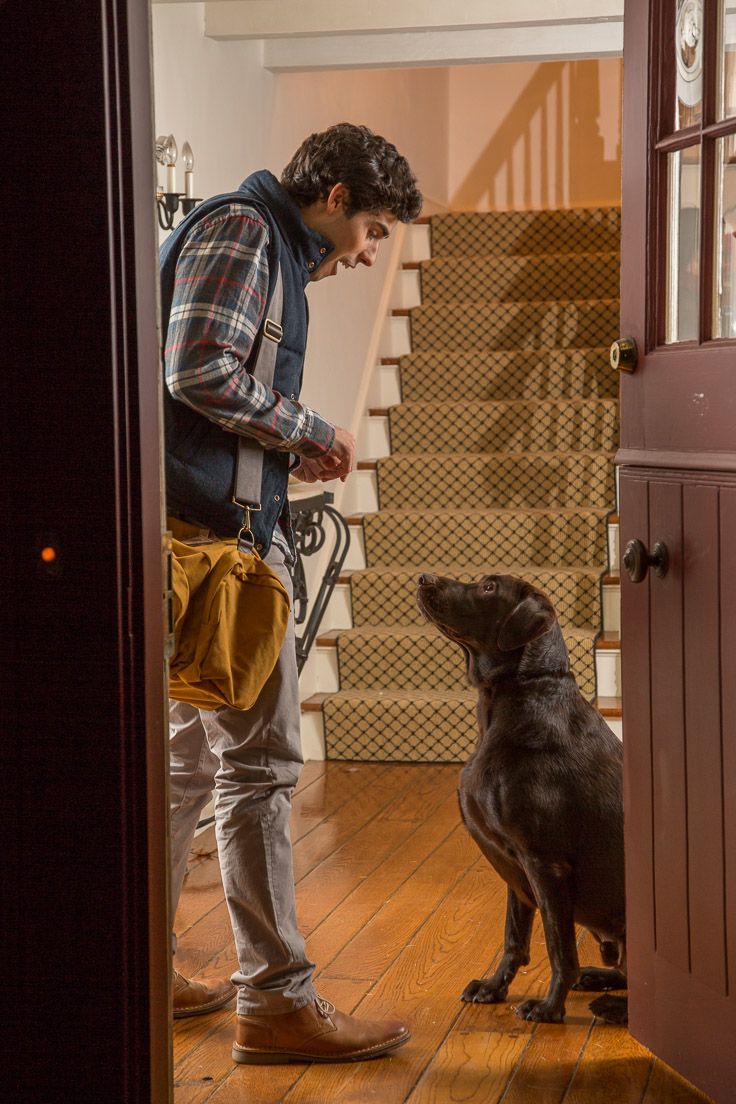
Introduce a New Dog It’s an exciting and touching experience to bring a new dog into your home. The initial days and weeks are critical in forming your relationship and assisting your new pet in acclimating, whether you’re adopting from a shelter, accepting a rescue, or bringing home a puppy. A seamless beginning lays the groundwork for a lifetime of mutual comfort, trust, and joy.
In order to ensure a stress-free transition for your pet and your family, this blog will walk you through every step of bringing a new dog into your home, from planning to adjusting.
Table of Contents
Step 1: Preparing Your Home
Before your new dog arrives, take some time to prepare your home environment. Dogs, like humans, feel safer and more comfortable in a space that’s welcoming and ready for them.
- Create a designated space: Set up a quiet, cozy area where your dog can retreat. This could be a crate, a dog bed, or a separate room. It gives them a safe zone while they adjust.
- Dog-proof the house: Remove hazards such as electrical cords, toxic plants, small items they could swallow, and chemicals.
- Gather supplies: Essentials include food and water bowls, appropriate dog food, a collar and leash, ID tags, toys, and grooming tools.
- Prepare family members: If you live with others, make sure everyone understands the rules, routines, and expectations for the dog.
Step 2: The First Day Home
The first day is one of the most important in helping your dog settle in. Keep things calm, structured, and positive.
- Keep arrivals low-key: Avoid overwhelming your dog with too much excitement. Instead, let them enter at their own pace.
- Introduce them to their space: Show them their bed, water, and food area. Let them explore calmly without forcing interaction.
- Go for a walk first: If possible, take your dog for a walk before entering the house. This helps burn off nervous energy and introduces them to their new surroundings gradually.
- Set boundaries early: Establish where the dog can and cannot go. Using baby gates or closed doors can help until they are fully comfortable.
Step 3: Introducing to Family Members

Introduce a New Dog A new dog may feel nervous around unfamiliar people. The way family members interact can make a big difference.
- Approach gently: Allow the dog to initiate contact. Avoid rushing, hugging, or hovering over them.
- Use calm voices: Loud noises or sudden movements may cause stress.
- Encourage positive associations: Offer treats and praise when the dog interacts calmly with family members.
- Teach children boundaries: Kids should be taught not to pull, chase, or disturb the dog while eating or sleeping.
Step 4: Introducing to Other Pets
If you already have pets, careful introductions are essential. Dogs are social animals, but first impressions matter.
- Neutral territory: Introduce dogs outside or in a neutral space to reduce territorial behavior.
- Keep leashes on: Control the situation by keeping both dogs leashed initially.
- Allow sniffing and observation: Let them investigate each other calmly. Reward good behavior with treats and praise.
- Gradual exposure: Start with short interactions, then increase time together as they adjust.
- Cats and smaller pets: Keep introductions slow, supervised, and safe. Allow cats to observe from a distance or behind a barrier.
Step 5: Establishing Routine
Introduce a New Dog, Dogs thrive on consistency. A predictable routine helps your new dog feel secure and confident.
- Feeding schedule: Feed at the same times daily to establish routine and trust.
- Bathroom breaks: Take your dog out frequently, especially in the early days, to establish housetraining habits.
- Exercise: Walks, playtime, and mental stimulation should become part of their daily schedule.
- Training sessions: Begin basic commands early, using positive reinforcement to build trust and communication.
Step 6: Building Trust
A new dog may take days, weeks, or even months to feel fully comfortable. Introduce a New Dog, Building trust requires patience and understanding.
- Go at their pace: Don’t force affection or interaction. Allow your dog to come to you when ready.
- Positive reinforcement: Reward desired behavior with treats, praise, and play.
- Consistency: Stick to rules and routines to avoid confusion.
- Quality time: Spend time together through gentle play, grooming, and quiet companionship.
Step 7: Handling Common Challenges

Adjusting to a new environment can come with challenges. Introduce a New Dog Patience and preparation can help you overcome them.
- House training accidents: Expect mistakes in the beginning. Take your dog out regularly, praise them when they go outside, and clean accidents thoroughly.
- Separation anxiety: Start by leaving your dog alone for short periods, gradually increasing the time. Provide toys or treats to keep them occupied.
- Excessive barking or chewing: Ensure they have enough exercise and stimulation. Chew toys and interactive puzzles can redirect unwanted behavior.
- Fearfulness or shyness: Avoid pushing them into overwhelming situations. Gradual exposure and reassurance are key.
Step 8: Professional Help if Needed
Introduce a New Dog. Not all dogs adjust easily. Some may come from difficult backgrounds, such as abuse or neglect, which can make the transition harder.
- Trainers: Professional dog trainers can help with obedience, socialization, and behavior problems.
- Behaviorists: If your dog shows signs of aggression, extreme fear, or anxiety, a canine behaviorist can provide tailored strategies.
- Veterinary care: Schedule a vet visit within the first week to ensure your dog is healthy and up to date on vaccinations.
Patience and Love: The Key Ingredients

Bringing a new dog into your home is about creating a lifelong bond, not just about rules and routines. Your dog will feel safe and loved if you are patient, consistent, and compassionate.
Keep in mind that each dog adapts at a different rate. It might take a few days for some people to feel at home, but it might take weeks or months for others. Your dog will become a trusted member of your family and more than just a pet with time and attention.
Conclusion
A wonderful journey full of love, friendship, and adventure begins when you bring a new dog home. You lay the groundwork for a seamless transition by organizing your house, creating routines, and introducing family members and pets with care.
Even though there might be difficulties, your new dog will adapt with patience and understanding. Loyalty, happiness, and the unwavering love that only a dog can provide will be your reward in exchange.