Common Dog Illnesses As responsible pet owners, it is our responsibility to ensure the health and happiness of our dogs because they provide unrivalled unconditional love and companionship. Dogs are prone to illnesses, some minor, some serious, just like people. The good news is that many dog diseases can be avoided or successfully treated with knowledge, consistent care, and early intervention. In order to give your pet a long and healthy life, we’ll examine some of the most prevalent dog diseases in this blog and discuss preventative measures.
Table of Contents
1. Canine Parvovirus (Parvo)
What It Is:
Parvo is a highly contagious viral illness that affects puppies and unvaccinated dogs. It attacks the gastrointestinal tract and, in severe cases, the heart.
Symptoms:
- Vomiting and severe diarrhea (often bloody)
- Lethargy and loss of appetite
- Fever or low body temperature
Prevention:
- Vaccination is the most effective prevention method.
- Avoid exposing puppies to unknown dogs or areas frequented by dogs until their vaccination series is complete.
- Practice good hygiene, as the virus can live on surfaces for months.
2. Kennel Cough (Canine Infectious Tracheobronchitis)
What It Is:
Common Dog Illnesses Kennel cough is a highly contagious respiratory disease caused by bacteria and viruses. Dogs often catch it in crowded places like shelters, boarding facilities, and dog parks.
Symptoms:
- Dry, hacking cough (like something stuck in the throat)
- Sneezing or nasal discharge
- Mild fever
Prevention:
- Vaccinate against Bordetella, one of the primary causes.
- Avoid exposing your dog to unvaccinated dogs or overcrowded environments.
- Ensure proper ventilation in indoor spaces where dogs gather.
3. Canine Distemper
What It Is:
Common Dog Illnesses serious viral disease, distemper affects the respiratory, gastrointestinal, and nervous systems. It can be fatal, especially in puppies and immunocompromised dogs.
Symptoms:
- Fever, coughing, and nasal discharge
- Vomiting and diarrhea
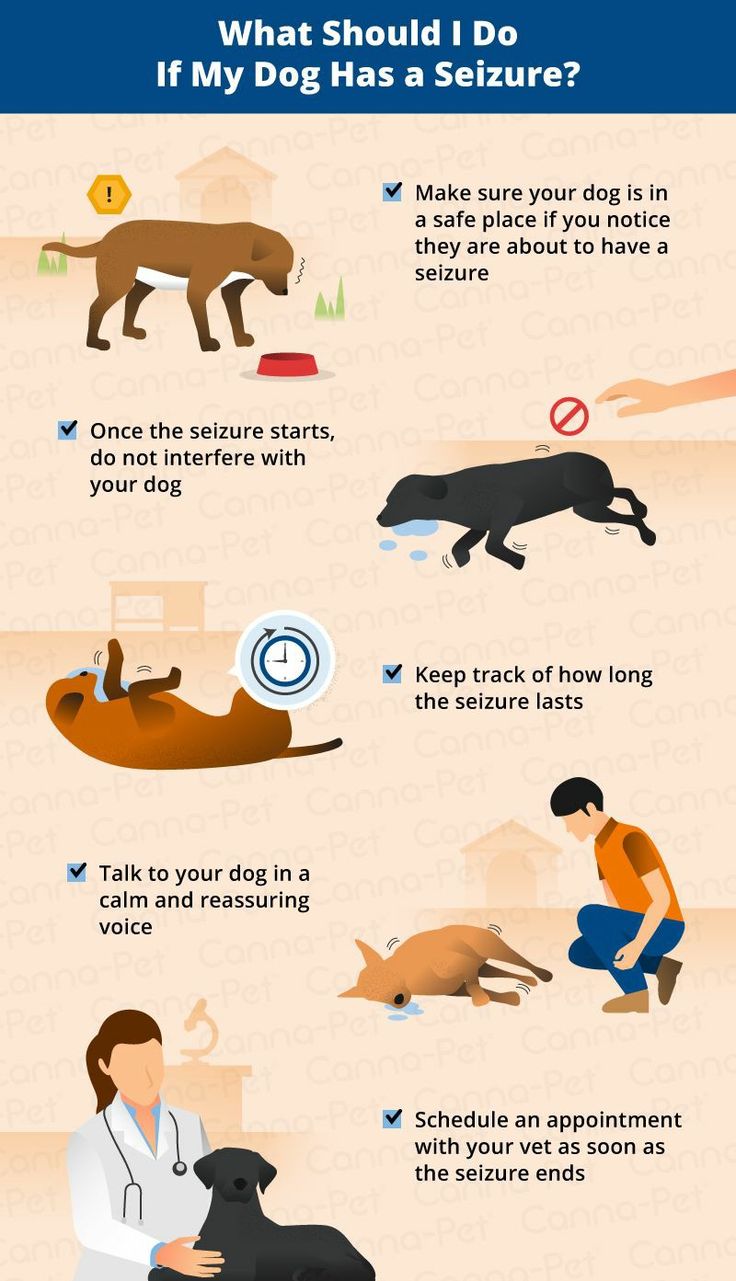
- Seizures or paralysis in advanced stages
Prevention:
- Routine vaccination is key.
- Keep your dog away from wildlife, as the virus can spread through contact with infected animals.
- Maintain a clean, safe environment for your pet.
4. Canine Influenza (Dog Flu)
What It Is:
Common Dog Illnesses and Similar to the human flu, dog flu is a highly contagious respiratory infection caused by influenza viruses (H3N2 and H3N8 strains).
Symptoms:
- Coughing and sneezing
- Fever and lethargy
- Nasal discharge and loss of appetite
Prevention:
- Consider vaccinating your dog if they are often in group settings.
- Isolate sick dogs to prevent the spread of the virus.
- Disinfect bowls, bedding, and toys regularly.
5. Heartworm Disease
What It Is:
Common Dog Illnesses Heartworm is a life-threatening disease caused by parasitic worms that live in the heart and lungs. It spreads through mosquito bites.
Symptoms:
- Persistent cough and fatigue
- Weight loss and difficulty breathing
- Collapse in severe cases
Prevention:
- Monthly heartworm preventatives (chewables or topical treatments)
- Annual blood tests to detect early infection
- Control mosquitoes in and around your home
6. Lyme Disease

What It Is:
Common Dog Illnesses Lyme disease is caused by the bacterium Borrelia burgdorferi, transmitted through tick bites.
Symptoms:
- Limping or lameness (often shifting from leg to leg)
- Swollen joints
- Fever and lethargy
Prevention:
- Use tick preventatives (collars, sprays, spot-ons)
- Check your dog for ticks after walks, especially in wooded or grassy areas
- Ask your vet about the Lyme disease vaccine
7. Obesity
What It Is:
Obesity in dogs is a serious health condition that can lead to diabetes, joint issues, and heart disease.
Symptoms:
- Visible weight gain
- Difficulty walking or exercising
- Fat deposits around the waist or neck
Prevention:
- Provide a balanced diet and avoid overfeeding
- Offer regular exercise tailored to your dog’s breed and age
- Limit high-calorie treats and table scraps
8. Dental Disease
What It Is:
Common Dog Illnesses Dental problems such as plaque buildup, gingivitis, and tooth infections are common in dogs and can lead to serious health complications.
Symptoms:
- Bad breath (halitosis)
- Red or bleeding gums
- Difficulty eating or chewing
Prevention:
- Brush your dog’s teeth several times a week
- Provide dental chews and toys
- Schedule professional dental cleanings as recommended by your vet
9. Skin Allergies (Atopic Dermatitis)
What It Is:
Common Dog Illnesses Many dogs suffer from skin allergies caused by food, environmental factors, or flea bites.
Symptoms:
- Itching, scratching, or licking paws excessively
- Hair loss or red, inflamed skin
- Ear infections
Prevention:
- Identify and eliminate allergens when possible
- Use flea prevention methods consistently
- Feed a hypoallergenic diet if advised by your vet
10. Ear Infections
What It Is:

Ear infections are common in dogs, especially breeds with floppy ears like Cocker Spaniels or Basset Hounds. Moisture, bacteria, and yeast can all contribute.
Symptoms:
- Head shaking and scratching ears
- Foul odor and discharge from the ears
- Sensitivity to touch
Prevention:
- Clean your dog’s ears regularly with a vet-recommended solution
- Dry ears thoroughly after baths and swimming
- Avoid inserting objects into the ear canal
Final Tips for Prevention
Preventing dog illnesses isn’t just about treating symptoms—it’s about building a routine of care that supports your dog’s immune system, hygiene, and emotional well-being. Here are some final tips:
- Regular vet check-ups: Early detection can save lives. Annual wellness exams are a must.
- Keep vaccinations up to date: Follow your vet’s schedule for core and optional vaccines.
- Practice good hygiene: Wash bowls, toys, and bedding regularly.
- Stay informed: Be aware of outbreaks in your area (e.g., parvo or dog flu).
Conclusion
Dogs rely on us entirely for their care. By staying informed about common canine illnesses and their prevention, you give your pet the best chance at a happy, healthy life. Preventive care, clean environments, good nutrition, and regular vet visits form the foundation of your dog’s well-being.
A little awareness goes a long way—and in return, your dog will reward you with endless loyalty, joy, and love.