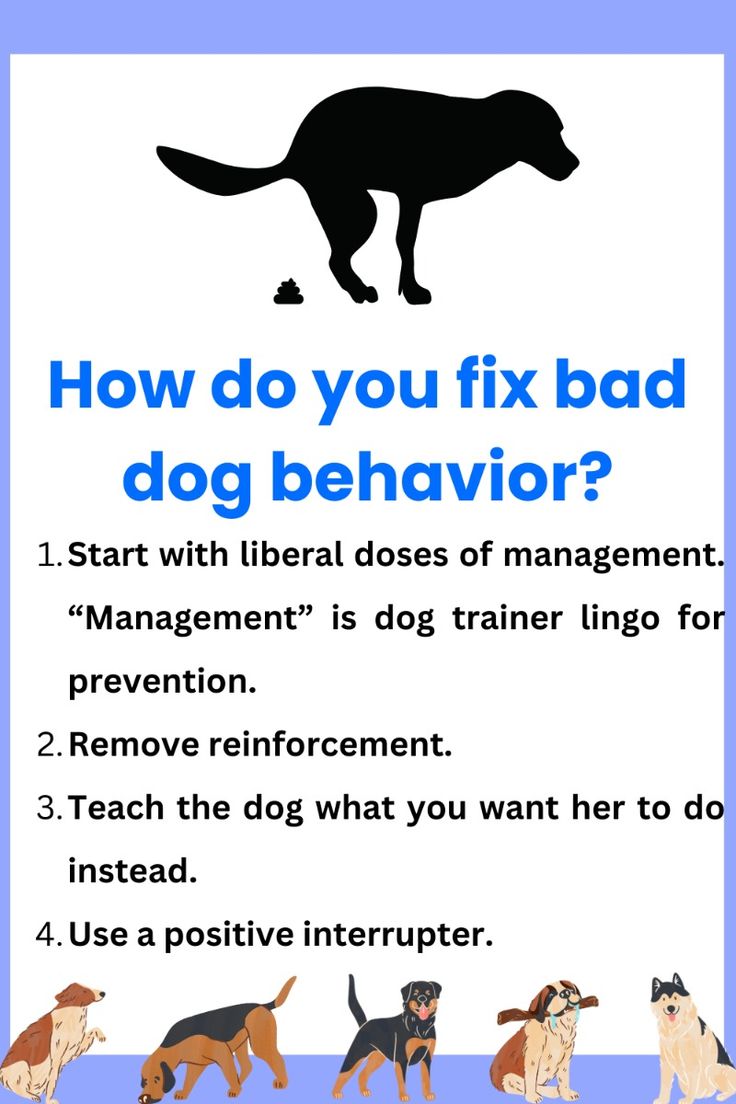
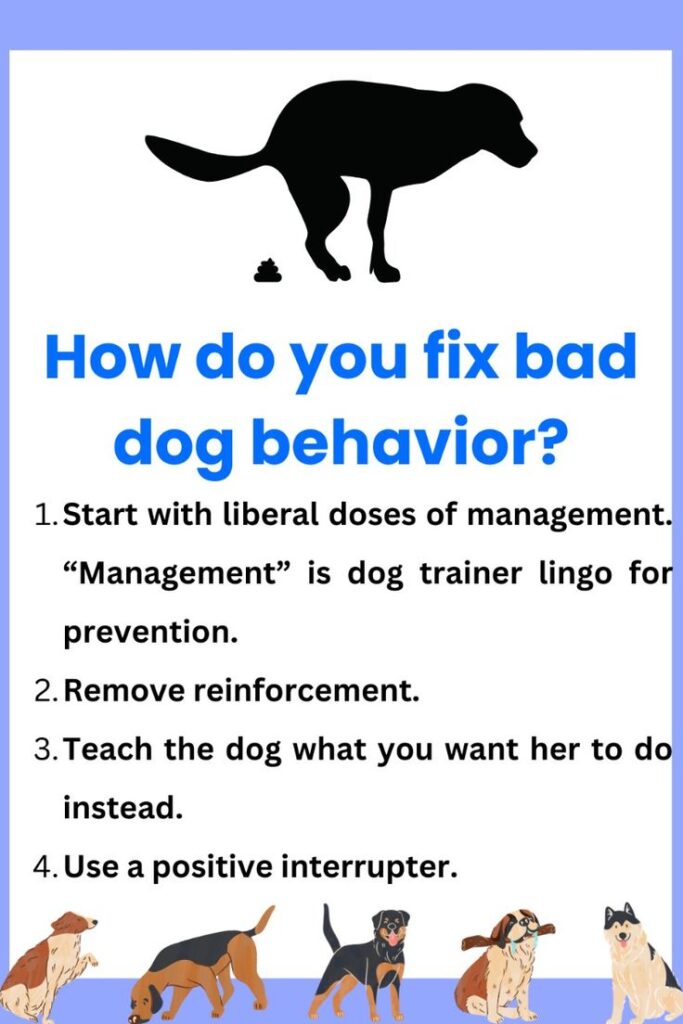
Dog Behavior Problems Dogs make great pets, but even the friendliest pup can get into behavior problems that drive their owners crazy. From barking too much to chewing on your favorite pair of shoes, most of these problems stem from a combination of natural behaviors, unmet needs, and environmental factors. The good news is that the majority of behavior issues can be controlled—or even eliminated—with patience, consistency, and the proper training methods.
In this blog, we’re going to discuss some of the most prevalent dog behavior issues and practical tips you can use to correct them.
Table of Contents
1. Excessive Barking
The Problem:
Barking is a natural way for dogs to communicate, but excessive barking can disturb the household and upset neighbors. Common triggers include boredom, fear, attention-seeking, or alerting to noises.
How to Fix It:
- Identify the cause: Is your dog barking at strangers, other dogs, or when left alone?
- Provide mental and physical stimulation: Regular walks, playtime, and puzzle toys reduce boredom-related barking.
- Teach the “quiet” command: Say “quiet” in a calm but firm voice when your dog barks, then reward them when they stop.
- Avoid reinforcing barking: Don’t give attention—positive or negative—when your dog is barking for attention.
2. Chewing
The Problem:
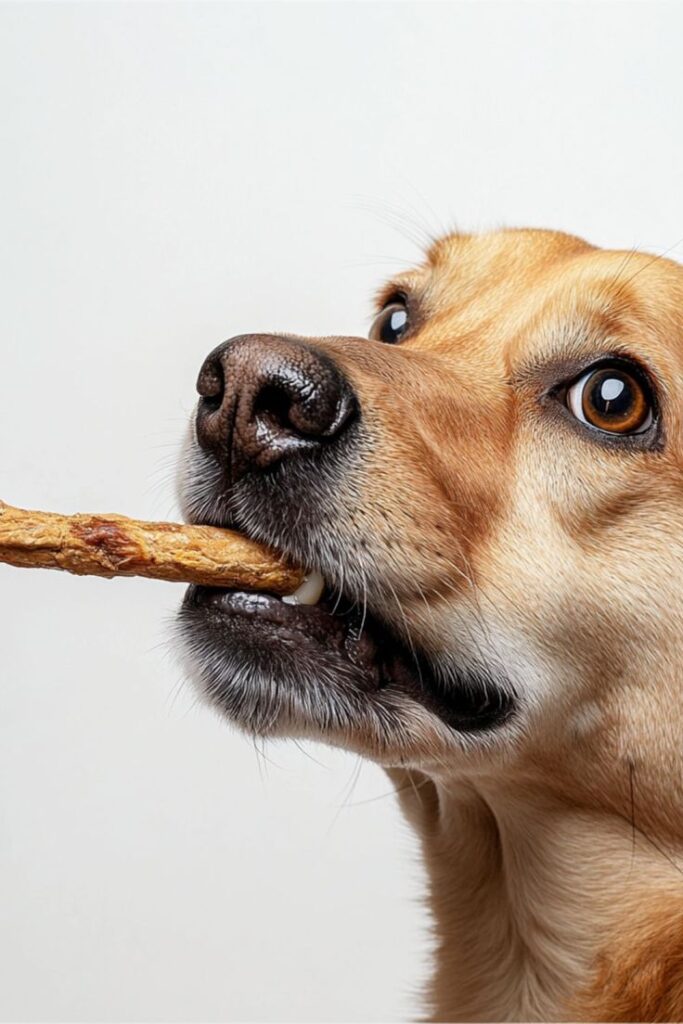
Dogs chew to explore their environment, relieve boredom, or soothe teething discomfort. Destructive chewing often happens when a dog Behavior Problems is left alone for too long or lacks appropriate chew toys.
How to Fix It:
- Dog-proof your home: Keep shoes, remote controls, and wires out of reach.
- Provide appropriate chew toys: Rotate them to keep things interesting.
- Exercise and play: A tired dog is less likely to chew out of boredom.
- Redirect chewing: If you catch your dog chewing on something forbidden, calmly replace it with an approved toy and praise them when they use it.
3. Jumping Up on People
The Problem:
Jumping is a dog’s way of showing Dog Behavior Problems excitement and greeting, but it can be dangerous—especially with large breeds.
How to Fix It:
- Ignore the jumping: Avoid eye contact, turning away until your dog calms down.
- Reward calm greetings: When your dog sits or stands calmly, offer praise or treats.
- Teach an alternative behavior: Train your dog to sit when greeting people and reward them consistently.
4. Pulling on the Leash
The Problem:
Dog Behavior Problems Many dogs pull on the leash because they are excited to explore. Unfortunately, this makes walks unpleasant and can even lead to injury.
How to Fix It:
- Use proper equipment: Consider a front-clip harness to discourage pulling.
- Stop and stand still: When your dog pulls, stop walking until they return to your side.
- Reward loose-leash walking: Give treats when your dog walks nicely beside you.
- Practice short, focused training walks: Gradually increase distance as your dog improves.
5. Separation Anxiety
The Problem:
Dogs Behavior Problems with separation anxiety become distressed when left alone, leading to behaviors like barking, destructive chewing, and house soiling.
How to Fix It:
- Gradual desensitization: Leave your dog alone for short periods and gradually increase the time.
- Create a safe space: A crate or designated area with toys and comfort items can help.
- Stay calm when leaving and returning: Avoid making departures and arrivals a big event.
- Mental enrichment: Leave puzzle toys or treat-dispensing devices to keep your dog occupied.
6. Aggression

The Problem:
Dog Behavior Problems Aggression can stem from fear, territorial instincts, resource guarding, or frustration. It may involve growling, snapping, or biting.
How to Fix It:
- Identify triggers: Keep track of situations that cause aggression.
- Avoid punishment: Harsh discipline can make aggression worse.
- Seek professional help: Aggression should be addressed with the guidance of a veterinarian or certified dog trainer.
- Socialization: Controlled exposure to people, animals, and environments can reduce fear-based aggression over time.
7. Begging for Food
The Problem:
Dogs beg because it works—someone eventually gives in. This can lead to obesity and reinforce bad manners.
How to Fix It:
- Never feed from the table: Everyone in the household must stick to this rule.
- Feed your dog before you eat: They’ll be less likely to beg if they’re full.
- Ignore begging: Don’t make eye contact or speak to your dog when they’re begging.
- Reward calm behavior away from the table: Give treats only when your dog is lying quietly in their designated spot.
8. Digging
The Problem:
Dog Behavior Problems Digging is natural for many breeds, but it can damage your yard and garden. Causes include boredom, hunting instincts, or trying to escape.
How to Fix It:
- Provide exercise and play: Tired dogs dig less.
- Designate a digging area: Fill it with soft soil or sand and hide toys for your dog to find.
- Remove escape routes: Secure fences to prevent digging under them.
- Address pest problems: Sometimes dogs dig to reach rodents or insects.
9. House Soiling
The Problem:
Dog Behavior Problems Accidents in the house may be caused by incomplete house training, medical issues, or anxiety.
How to Fix It:
- Rule out health problems: Visit your vet to check for urinary tract infections or other conditions.
- Reinforce training: Take your dog out frequently, especially after meals or naps, and reward them for going outside.
- Clean accidents thoroughly: Use enzymatic cleaners to remove odors.
- Establish a routine: Regular feeding and potty schedules help dogs learn when to go.
10. Resource Guarding

The Problem:
Some dogs Dog Behavior Problems guard food, toys, or spaces, growling or snapping if someone approaches.
How to Fix It:
- Trade-up method: Offer something better (like a tasty treat) in exchange for the guarded item.
- Avoid confrontation: Don’t try to snatch items from your dog’s mouth.
- Desensitization training: Gradually get your dog used to people approaching their resources, pairing it with positive rewards.
- Work with a professional: Severe guarding behavior requires expert guidance.
General Tips for Correcting Behavior Problems
- Be Consistent: Mixed signals confuse your dog. Make sure all family members follow the same rules.
- Use Positive Reinforcement: Rewarding good behavior works better than punishing bad behavior.
- Meet Physical and Mental Needs: Many problems vanish when a dog’s exercise and enrichment needs are met.
- Start Early: The sooner you address a problem, the easier it is to fix.
- Seek Professional Help: Some issues, especially aggression or severe anxiety, require expert intervention.
Final Thoughts
Behavior issues in dogs are not indications of a “bad” pet—just that your dog’s needs aren’t being completely met or that they haven’t mastered the rules of life in a human family yet. With patience, training, and knowledge, you can help your dog get past these issues and deepen your relationship in the process.
A good-behaved dog isn’t merely more pleasant to live with; they’re also more joyful and self-assured. With gentle, consistent correction of behavior problems, you lay the foundation for a lifetime of trust and happiness with your furry companion.