Choose the Right Dog Breed for Your Lifestyle. Selecting a dog is one of life’s most thrilling and rewarding choices—but it’s also one that calls for careful contemplation. Dogs are not pets, they are members of your family, your companions, and sometimes even a significant part of your daily routine. There are more than 300 known breeds of dogs (not to mention thousands of mixed breeds), so finding the right one to fit your life can be daunting.
Here in this blog, we will walk you through the major factors to keep in mind while choosing the ideal dog breed for your life. Regardless of whether you are an active explorer, a city person, a family with children, or a stay-at-home person, there is a dog waiting for you that fits you just right.
Table of Contents
1. Evaluate Your Living Situation
Choose the Right Dog Breed for Your Lifestyle. Your most critical and first consideration is your living situation. Do you reside in a small apartment, a suburban house with a backyard, or a country property with an expanse of open space?
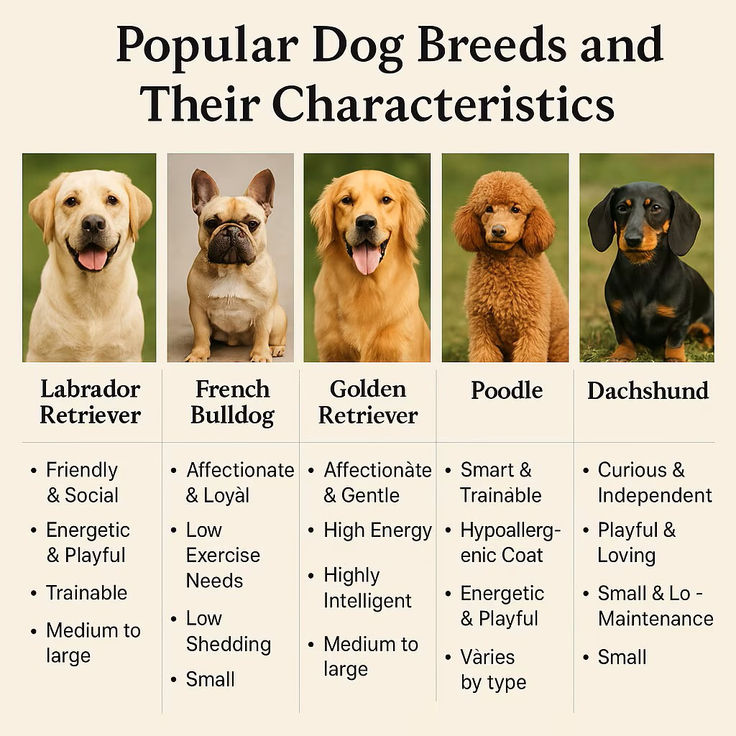
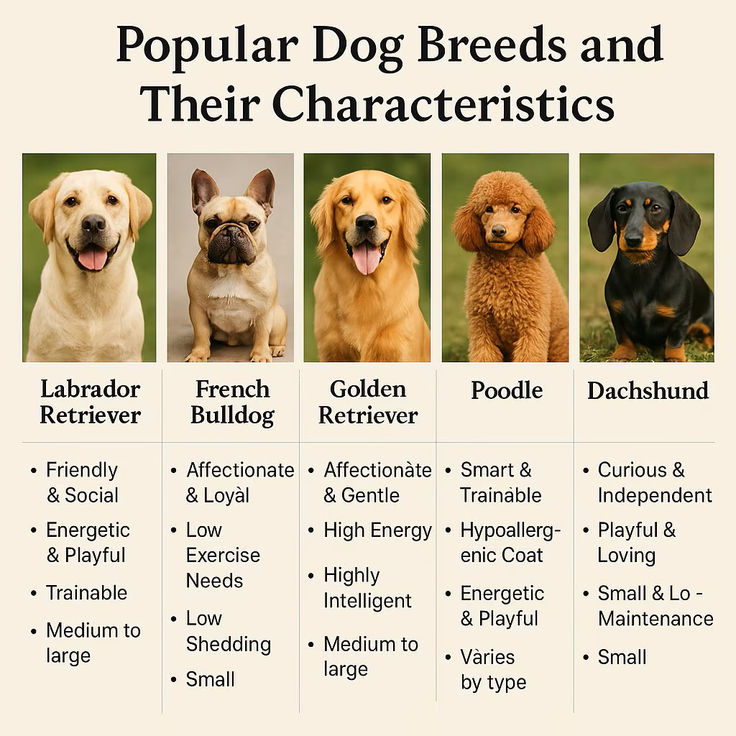
- Apartment Dwellers: Look for small to medium-sized breeds that don’t need a lot of space to roam. Breeds like the French Bulldog, Cavalier King Charles Spaniel, or Shih Tzu are great for compact living.
- House with a Yard: You can consider more active breeds like the Labrador Retriever, Border Collie, or Boxer who love to run and play.
- Rural or Farm Settings: High-energy breeds like Australian Shepherds, Great Pyrenees, or other working dogs thrive in open spaces where they can be active.
Remember, a large dog can live happily in a small space if it gets enough exercise. It’s all about daily activity levels.
2. Consider Your Activity Level
Choose the Right Dog Breed for Your Lifestyle. Your daily routine and energy level should align with your dog’s natural instincts.
- Active Lifestyles: If you love jogging, hiking, or outdoor adventures, athletic breeds like the Siberian Husky, Vizsla, or Border Collie will match your energy.
- Moderately Active: Choose the Right Dog Breed for Your Lifestyle. Breeds like the Golden Retriever, Cocker Spaniel, or Beagle enjoy walks and play but don’t require constant activity.
- Low-Energy Owners: If your lifestyle is more laid-back or you’re often indoors, consider calm breeds like the Basset Hound, Bulldog, or senior rescue dogs who are content with shorter walks and lots of cuddles.
A mismatch in energy levels can lead to frustration—for both you and your dog. Choose a breed that will complement your daily pace.
3. Think About Time Commitment

Choose the Right Dog Breed for Your Lifestyle. Some dogs are independent and content with less attention, while others need constant companionship and stimulation.
- Busy Professionals or Travelers: Choose low-maintenance or independent breeds like the Greyhound, Whippet, or Chihuahua. Consider older rescue dogs who are already trained and less demanding.
- Stay-at-Home or Remote Workers: You may enjoy a more affectionate or attention-seeking breed like a Golden Retriever, Pug, or Poodle.
- Families with Kids: Look for patient, gentle, and tolerant breeds like the Labrador Retriever, Bernese Mountain Dog, or Collie.
Keep in mind that puppies require more time for training, socializing, and housebreaking than adult or senior dogs.
4. Allergies and Shedding
Choose the Right Dog Breed for Your Lifestyle. Do you or someone in your household have allergies or a strong preference for a low-shedding dog?
- Hypoallergenic or Low-Shedding Breeds: Poodles (and mixes like Labradoodles), Bichon Frise, Schnauzers, and Portuguese Water Dogs are great options.
- Heavy Shedders: Breeds like German Shepherds, Huskies, and Golden Retrievers shed a lot and need frequent brushing.
Even “hypoallergenic” dogs produce allergens, but they may affect allergy sufferers less. Regular grooming and cleaning can also help.
5. Training and Intelligence

Choose the Right Dog Breed for Your Lifestyle. Some breeds are highly trainable, while others are more stubborn or independent.
- Eager to Please (Easier to Train): Border Collie, Poodle, Labrador Retriever, and German Shepherd.
- Stubborn or Independent: Afghan Hound, Basenji, or Dachshund may need more patience and consistent training.
If you’re a first-time dog owner, you might want to avoid more challenging breeds until you gain more experience or have professional training support.
6. Grooming and Maintenance
Choose the Right Dog Breed for Your Lifestyle Different dogs require different grooming routines. Think about how much time and money you’re willing to invest in your dog’s grooming needs.
- Low Maintenance: Short-haired breeds like the Boxer, Dalmatian, or Doberman Pinscher need occasional brushing and minimal grooming.
- High Maintenance: Breeds like the Shih Tzu, Afghan Hound, or Standard Poodle require regular grooming, brushing, and sometimes professional help.
Neglecting grooming can lead to health issues, so it’s important to be realistic about your commitment.
7. Age and Life Stage
Choose the Right Dog Breed for Your Lifestyle. Do you want a puppy, an adult dog, or a senior?
- Puppies: Cute, fun, but a lot of work. They need training, socialization, and time.
- Adult Dogs: Often already house-trained and more settled.
- Seniors: Ideal for calm households and people looking for a loving companion without years of high-energy demands.
Adopting older dogs can be incredibly rewarding—they’re often overlooked at shelters but make wonderful pets.
8. Health and Lifespa
Different breeds Choose the Right Dog Breed for Your Lifestyle come with different health risks and lifespans.
- Long-Lived Breeds: Chihuahuas, Toy Poodles, and Dachshunds can live 15+ years.
- Shorter Lifespan: Large breeds like Great Danes, Mastiffs, or Bernese Mountain Dogs may only live 7–10 years.
Research common health issues for your chosen breed. Consider pet insurance and regular vet checkups as part of your long-term plan.
9. Adoption vs. Breeder

Choose the Right Dog Breed for Your Lifestyle. Another important decision is whether to adopt from a shelter or buy from a breeder.
- Adoption: Many wonderful dogs of all ages, sizes, and breeds are waiting for homes in shelters. Mixed breeds often have fewer health problems and unique personalities.
- Breeder: If you have your heart set on a specific breed, find a reputable breeder who prioritizes health, temperament, and responsible breeding practices.
Avoid puppy mills or online sellers that don’t allow you to meet the dog or see the breeding conditions.
Conclusion
Selecting the Right Dog Breed for Your Lifestyle, yet it’s also a chance to get a devoted friend who harmoniously fits into your life. Be patient, read all about them, and be truthful about your routine, lifestyle, and expectations.
Remember, all dogs—beyond breed—are in need of love, training, exercise, and care. The ideal match is more than about looks or popularity—it’s about compatibility. When you choose the right one, you’ll be rewarded with complete love, wagging tails, and years of happy companionship.
Final Tip: Spend time volunteering at shelters or fostering different breeds. Real-world experience is the best way to learn what kind of dog suits you best.