One of the most varied animals on the planet is the dog. Centuries of selective breeding have shaped the distinctive characteristics of every breed, from the small Chihuahua to the enormous Great Dane. Many were created merely for companionship, while others were created to protect property or herd livestock. Selecting the ideal dog for your lifestyle and guaranteeing a happy, healthy relationship depend on your ability to recognize these differences.
The intriguing world of dog breeds, their unique characteristics, and how those characteristics affect pet ownership are all covered in this blog.
Table of Contents
Why Dog Breeds Matter
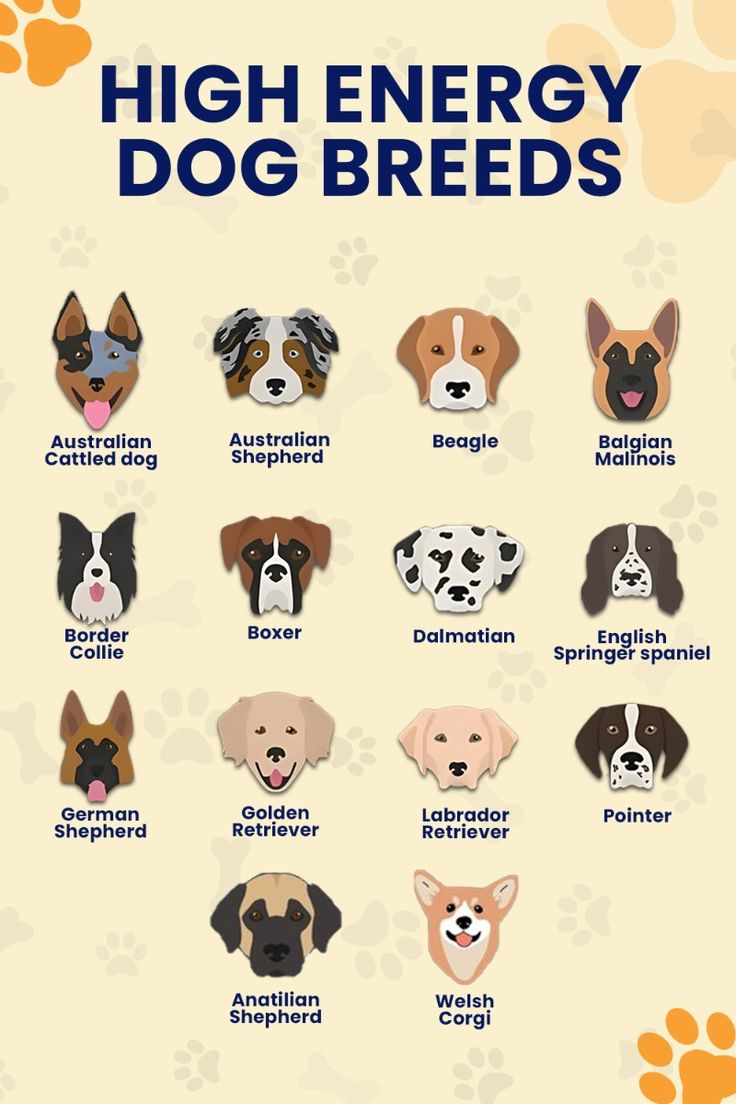
While every dog is an individual, breeds offer insight into personality, behavior, and needs. A Border Collie and a Bulldog may both be wonderful companions, but their temperaments and energy levels differ drastically. Knowing these traits helps potential owners:
- Select a dog that fits their lifestyle.
- Provide proper exercise, training, and mental stimulation.
- Understand breed-specific health considerations.
Grouping of Dog Breeds
Dog breeds are often categorized into groups based on their historical roles. Let’s take a closer look at some of these groups and the unique traits associated with them.
1. Working Dogs
Breeds: Siberian Husky, Rottweiler, Doberman Pinscher, Great Dane.
- Traits: Strong, protective, and intelligent. Many were bred for guarding, pulling sleds, or performing demanding tasks.
- Owner Needs: Require consistent training, mental challenges, and ample exercise. They thrive with confident, active owners.
2. Herding Dogs
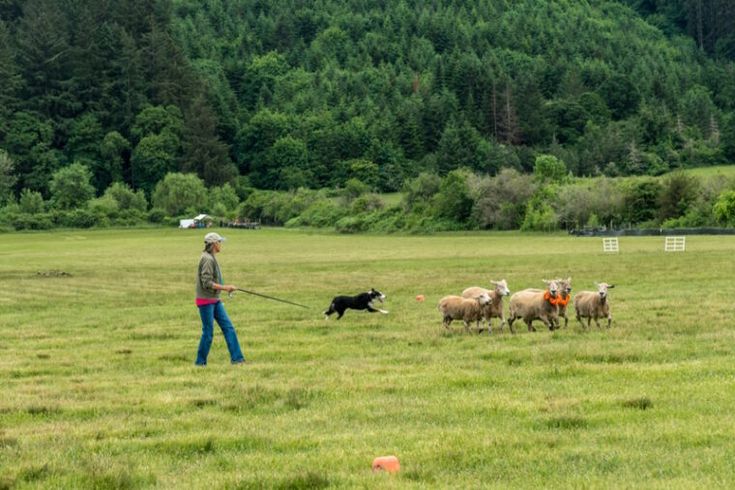
Breeds: Border Collie, Australian Shepherd, German Shepherd.
- Traits: Highly intelligent, energetic, and quick learners. Herding dogs are natural problem solvers.
- Owner Needs: Best suited for families who can provide constant stimulation, agility training, or activities like frisbee. Without an outlet, they may herd children or chase cars.
3. Sporting Dogs
Breeds: Labrador Retriever, Golden Retriever, Cocker Spaniel.
- Traits: Friendly, enthusiastic, and eager to please. Originally bred for hunting and retrieving, they love water and outdoor play.
- Owner Needs: Require daily exercise, games of fetch, and social interaction. Their easygoing temperament makes them ideal family pets.
4. Toy Dogs
Breeds: Chihuahua, Pomeranian, Maltese, Yorkshire Terrier.
- Traits: Small in size but big in personality. Known for being affectionate lap dogs but often bold and protective.
- Owner Needs: Perfect for apartment living, though some still require moderate play and training to curb barking.
5. Terriers
Breeds: Jack Russell Terrier, Bull Terrier, Scottish Terrier.
- Traits: Spirited, determined, and energetic. Many were bred to hunt vermin, making them fearless and lively.
- Owner Needs: Benefit from active play, puzzle toys, and firm but gentle training. Without stimulation, they may dig or become mischievous.
6. Hound Dogs
Breeds: Beagle, Greyhound, Dachshund, Bloodhound.
- Traits: Known for their strong hunting instincts, sharp sense of smell, or incredible speed. Often independent thinkers.
- Owner Needs: Require secure spaces—some will follow a scent for miles! They thrive with regular outdoor activity.
7. Non-Sporting Dogs
Breeds: Bulldog, Dalmatian, Poodle, Shiba Inu.
- Traits: A diverse group with varying sizes and personalities. Some are calm companions, while others are playful and energetic.
- Owner Needs: Breed-specific research is crucial since this group has wide differences in care needs.
Unique Traits of Popular Dog Breeds
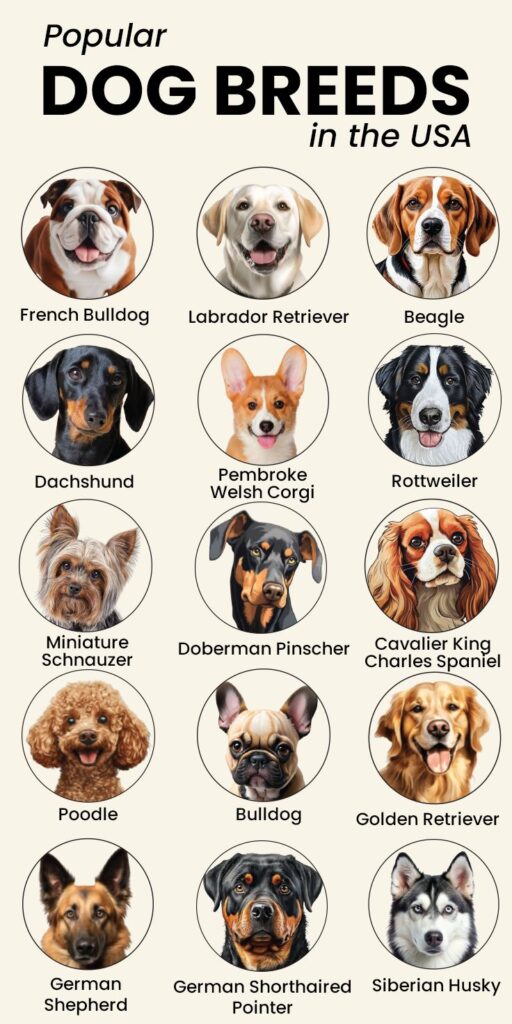
While groups give a broad overview, individual breeds shine with their own distinct traits.
- Labrador Retriever: Friendly, loyal, and intelligent. Known for being excellent family dogs and service animals.
- German Shepherd: Courageous, protective, and highly trainable. Popular as police, military, and guard dogs.
- French Bulldog: Affectionate and adaptable, ideal for city living. Low-energy but crave companionship.
- Border Collie: Often considered the most intelligent breed. Requires constant activity and thrives in working environments.
- Siberian Husky: Energetic, independent, and striking in appearance. Best suited for experienced owners due to their stubborn streak.
Choosing the Right Breed for Your Lifestyle
Understanding breed traits is essential before bringing a dog home. Here are key considerations:
1. Energy Level
- Active breeds (e.g., Huskies, Border Collies) need several hours of exercise daily.
- Low-energy breeds (e.g., Bulldogs, Basset Hounds) are content with shorter walks.
2. Living Space
- Large, high-energy dogs need outdoor access or large yards.
- Small or adaptable breeds are better suited for apartments.
3. Family Compatibility
- Breeds like Golden Retrievers and Beagles are known for being kid-friendly.
- Some breeds may prefer quieter households or single-person companionship.
4. Time for Training and Grooming
- Intelligent breeds thrive with ongoing training but may become destructive if bored.
- Long-haired breeds require frequent grooming, while short-haired dogs are lower maintenance.
5. Health Considerations
Certain breeds are prone to specific health issues—for example, Bulldogs often face breathing difficulties, while large breeds like Great Danes may suffer from joint problems. Awareness of these issues helps in preventive care.
The Role of Mixed Breeds
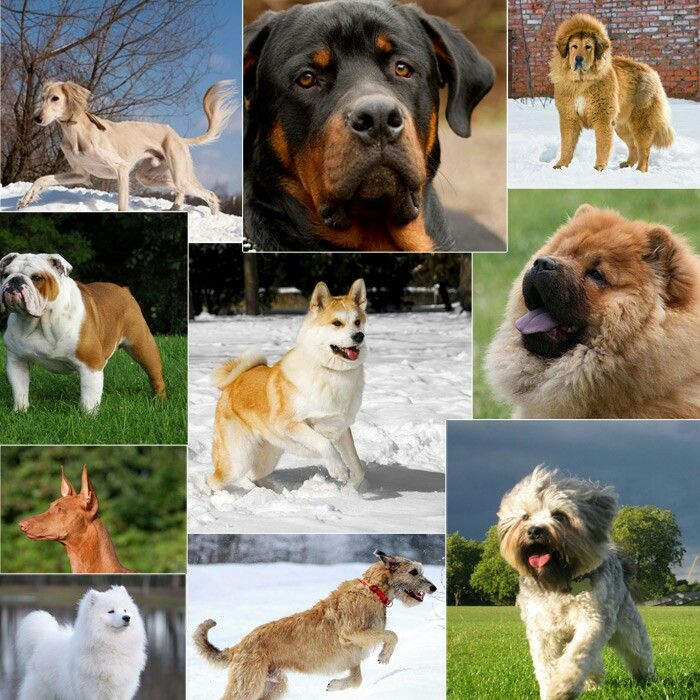
Mixed-breed dogs make equally amazing companions, even though purebreds frequently receive more attention. They sometimes have fewer inherited health problems and frequently combine the best qualities of several breeds. There are many mixed breeds in adoption shelters that make devoted, affectionate pets, each with a distinct personality.
Training and Nurturing Unique Traits
Every breed, whether purebred or mixed, benefits from training and socialization. Understanding a dog’s natural instincts helps guide effective training:
- Herding dogs excel in agility and obedience.
- Hounds may need recall training due to their strong scent drive.
- Toy breeds may require patience to prevent overprotectiveness.
By embracing, rather than fighting, a dog’s natural tendencies, owners can build strong, positive relationships.
Conclusion
Dogs come in an amazing variety of sizes, shapes, and temperaments, and each one has unique traits shaped by its upbringing and purpose. From the gentle Labrador to the energetic Border Collie, each breed has something special to offer. A successful human-dog relationship depends on you being aware of these differences and choosing a dog whose traits complement your lifestyle.
Whether you adopt a purebred or a mixed breed, the most important thing is to respect their needs, recognize their individuality, and give them the love and care they require. They will show you that every dog, no matter the breed, is truly unique by rewarding you with love, friendship, and joy.