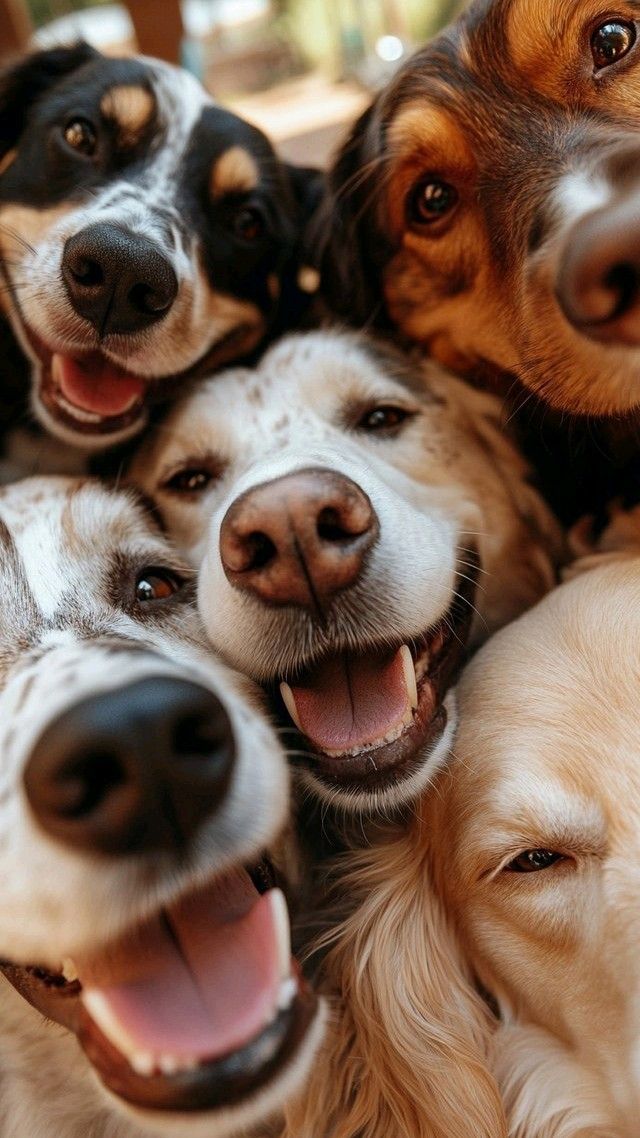

Puppy Care Bringing a new puppy home is heartwarming and exciting. Puppies bring us happiness, laughter, and unconditional love, but they come with big responsibilities. First-time dog owners find caring for puppies in the first few days overwhelming. Puppies require time, patience, and consistency so that they could develop into healthy, well-adjusted dogs. The good news is that with preparation and care, you can get your new furry companion on the path to a healthy and fulfilling life.
This blog will walk you through the basics of puppy care, from preparation and feeding to training, health, and bonding.
Table of Contents
1. Preparing Your Home for a Puppy
Before your Puppy Care steps paw into your home, you’ll need to create a safe and welcoming environment. Puppies are curious and love to explore, which means they may chew, scratch, or investigate anything within reach.
Puppy-proof your space:
- Remove hazardous items such as cleaning supplies, sharp objects, electrical cords, and small items that could be swallowed.
- Block access to areas you don’t want your puppy entering. Baby gates can be useful.
- Provide chew-safe toys to satisfy their natural urge to gnaw.
Set up essentials:
- A cozy bed or crate for resting.
- Food and water bowls.
- Puppy food recommended by your veterinarian.
- A collar, leash, and ID tag.
- Training pads or a designated potty area.
Preparing in advance helps reduce stress for both you and your new companion.
2. Nutrition and Feeding
Proper nutrition is the cornerstone of your puppy’s growth and development. Puppy Care require more calories, protein, and fat than adult dogs because they are constantly growing and full of energy.
Tips for feeding your puppy:
- Choose high-quality puppy food formulated for their size and breed.
- Feed them 3–4 small meals a day until they are about six months old.
- Provide fresh, clean water at all times.
- Avoid human foods like chocolate, grapes, onions, and caffeine, which can be toxic.
Stick to a feeding schedule to establish routine, and Puppy Care always consult your vet for guidance tailored to your puppy’s breed and health needs.
3. Health and Veterinary Care
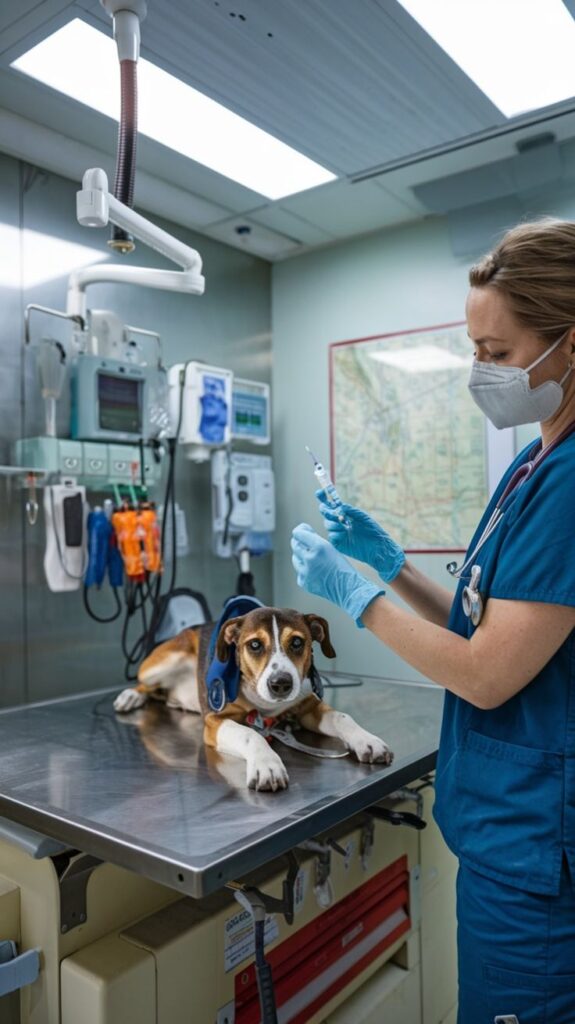
Your puppy’s health should be a top priority. The first step after bringing them home is scheduling a vet visit for a wellness check-up.
Key aspects of puppy healthcare:
- Vaccinations: Puppies need a series of vaccines to protect them from diseases such as parvovirus, distemper, and rabies.
- Parasite prevention: Use vet-approved preventives for fleas, ticks, and worms.
- Spaying/Neutering: Discuss with your vet the right time for this procedure.
- Regular check-ups: Annual or bi-annual vet visits ensure your dog remains healthy.
Starting veterinary care early not only protects your puppy but also helps them get used to visiting the clinic without fear.
4. House Training and Crate Training
House training is often the biggest challenge for new owners, but with consistency and patience, puppies can learn quickly.
House training tips:
- Take your puppy outside frequently—after meals, naps, and playtime.
- Praise and reward them immediately when they go potty outside.
- Stick to a schedule to reinforce good habits.
- Accidents will happen—be patient and never punish your puppy.
Crate training can also be helpful, providing your puppy with a safe space while also aiding house training. Make the crate a positive place with comfortable bedding and toys, and never use it as punishment.
5. Socialization and Exposure
The critical socialization period for puppies is between 3 and 16 weeks of age. During this time, positive exposure to different people, animals, sights, and sounds helps your puppy grow into a confident adult dog.
How to socialize your puppy:
- Introduce them to friends, family members, and other friendly dogs.
- Expose them to various environments—parks, car rides, sidewalks.
- Encourage calm interactions with children and strangers.
- Reward good behavior during new experiences.
Proper socialization reduces fear and aggression later in life, making your dog more adaptable and well-behaved.
6. Training and Basic Commands
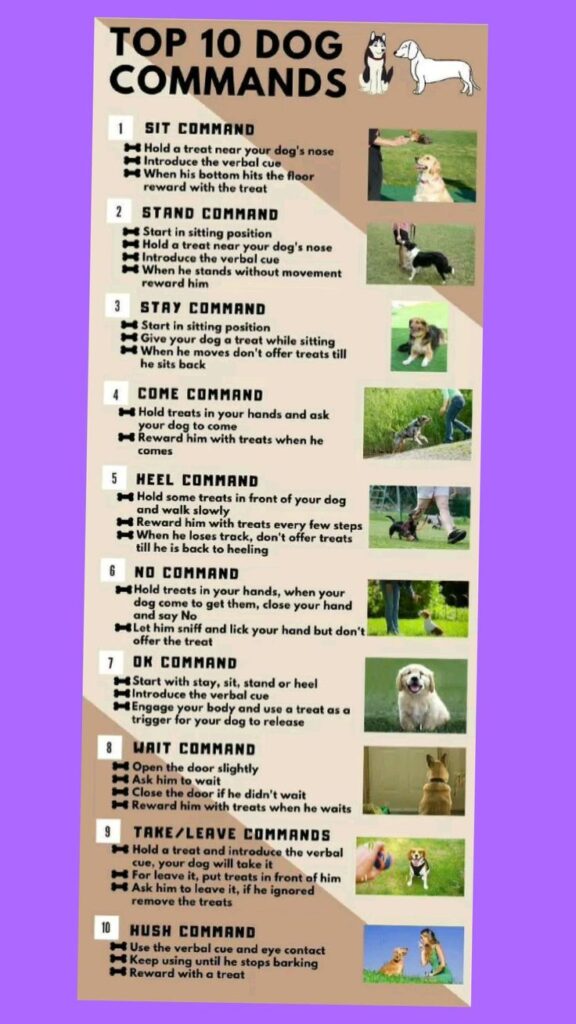
Training is essential for building good manners and strengthening your bond with your puppy. Start with basic commands such as:
- Sit
- Stay
- Come
- Leave it
- Down
Always use positive reinforcement—praise, treats, and play—when your puppy gets it right. Training sessions should be short (5–10 minutes) but consistent.
Remember, puppies have short attention spans, so patience and repetition are key.
7. Exercise and Playtime
Puppies are full of energy, and regular exercise helps them stay healthy while preventing boredom-related behavior problems like chewing or barking.
Exercise guidelines:
- Short walks appropriate for their age and breed.
- Interactive games like fetch or tug-of-war.
- Puzzle toys that stimulate their minds.
Be careful not to over-exercise very young puppies, as their bones and joints are still developing.
8. Grooming and Hygiene
Grooming isn’t just about keeping your puppy looking adorable—it’s also important for their health.
Basic grooming tasks include:
- Brushing: Keeps coats healthy and reduces shedding.
- Bathing: Every few weeks or as needed with puppy-safe shampoo.
- Nail trimming: Prevents overgrowth and discomfort.
- Ear cleaning: Reduces the risk of infection.
9. Bonding and Building Trust

Puppy Care In addition to food, training, and medical care, perhaps the most significant part of puppy care is creating a strong bond. Take time to play, cuddle, and just spend time with your puppy.
A strong bond creates trust, which aids in the ease of training and the longevity of your relationship. Puppies feeling safe and adored have a better chance at growing into well-adjusted, happy adults.
Final Thoughts
There are many difficulties along the way, but there are also many benefits to raising a puppy. For new dog owners, learning is just as important as teaching. You can prepare your puppy for a lifetime of happiness and companionship by setting up your home, giving them a healthy diet, staying up to date on medical care, training them regularly, and showing them love and care.
Keep in mind that no puppy is flawless, and both you and they will make mistakes. With love, perseverance, and patience, you’ll see your tiny pet develop into a devoted and treasured member of the family.