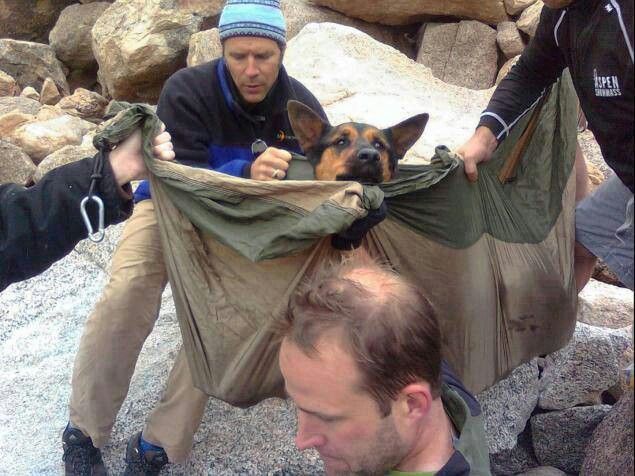
Looking into a rescue dog’s eyes, you frequently see more than just a devoted friend—you see hope, forgiveness, and resiliency. Despite having experienced abuse, neglect, or abandonment, rescue dogs manage to find love again. Their experiences serve as a reminder of the value of second chances, the strength of compassion, and the amazing bond that develops when people are willing to adopt.
This blog examines the experiences of rescue dogs, including how they overcome adversity, how they transform lives, and why adopting one can be a transformative event.
Table of Contents
The Reality of Rescue Dogs
Millions of dogs wind up in shelters worldwide each year. Some are strays, born without family on the streets. Others are left behind by owners who are unable to provide for them. Unfortunately, a lot of them were abused or neglected before being saved.
Rescue dogs have a remarkable capacity for recovery and adaptation in spite of these challenges. They can change from scared, broken souls to happy companions with the right love, care, and patience. Their tales of survival bear witness to both their resilience and the generosity of adopters.
Stories of Survival and Hope
1. From the Streets to a Forever Home

Consider the tale of Bella, a scrawny stray who was discovered pacing an empty lot. She was underweight and afraid of people when rescuers first took her to a shelter. However, Bella started wagging her tail once more following weeks of tender handling, consistent feedings, and care. She now resides with a devoted family who take her for evening walks. The impact of second chances is demonstrated by Bella’s journey from surviving on the streets to resting comfortably in a warm bed.
2. Healing After Abuse
Max, a German Shepherd, was rescued from a home where he suffered years of neglect. He was timid, fearful of loud noises, and hesitant to trust humans. With the help of a dedicated foster family, Max slowly regained confidence. His transformation was nothing short of remarkable—he now serves as a therapy dog, visiting hospitals and comforting patients. Max’s story proves that even the deepest wounds can heal with love and patience.
3. The Power of Companionship
Luna, a mixed-breed puppy, was adopted by an elderly woman living alone. Luna had been abandoned in a box near a highway, but her adoption turned her life around. In return, Luna brought joy, routine, and companionship to her owner, who described the bond as “mutual healing.” This story reflects how rescue dogs not only survive but also bring light into the lives of their adopters.
Why Rescue Dogs Deserve a Chance

1. Unconditional Love
Many people worry that rescue dogs will be difficult, but the reality is that these dogs are often the most loving. They seem to understand that they’ve been given a second chance, and they repay it with loyalty and affection.
2. A Wide Variety of Choices
Shelters and rescue organizations have dogs of all ages, breeds, and temperaments. Whether you want an energetic puppy, a calm senior, or a specific breed, chances are you’ll find your perfect match in a rescue.
3. Saving Lives
When you adopt a rescue dog, you’re not just changing one life—you’re saving it. Adoption frees up space in shelters, allowing rescuers to help more animals in need.
4. Teaching Compassion
Rescue dogs can also teach families, especially children, the importance of empathy, kindness, and responsibility. Adopting a rescue dog shows how love and patience can transform a life.
Challenges and Rewards of Adoption
Adopting a rescue dog isn’t always easy. Some dogs may need time to overcome trauma or adjust to a new environment. Common challenges include separation anxiety, fearfulness, or difficulty with training.
However, the rewards far outweigh the struggles. Every small victory—a wagging tail, a playful bark, or a snuggle on the couch—feels like a milestone. Watching a once-frightened dog grow into a happy, confident companion is one of the most fulfilling experiences an adopter can have.
How to Help Rescue Dogs
Even if you’re not ready to adopt, there are many ways to support rescue dogs:
- Fostering: Provide a temporary home for a dog until they find a permanent family.
- Volunteering: Help shelters by walking dogs, cleaning kennels, or assisting with adoption events.
- Donating: Contributions of money, food, or supplies can make a big difference.
- Spreading Awareness: Share stories of rescue dogs on social media to encourage adoption.
Famous Rescue Dog Stories
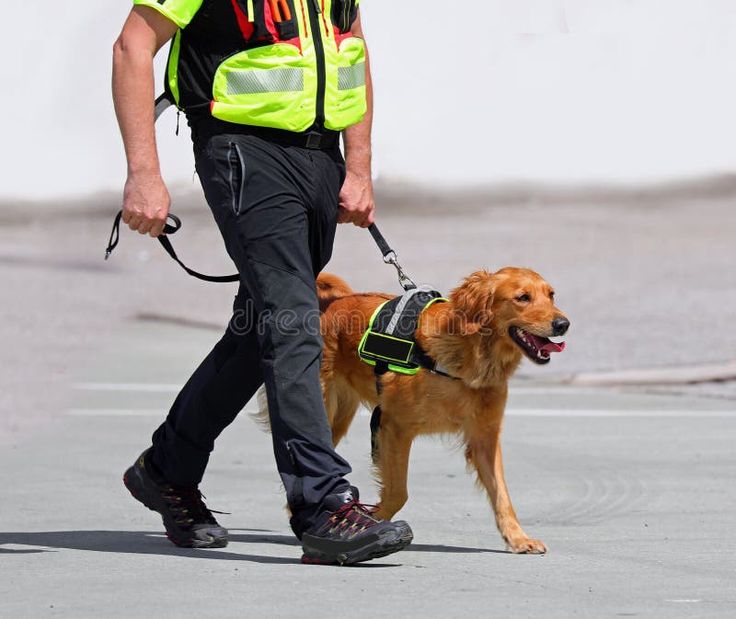
Some rescue dogs have even gone on to achieve remarkable things:
- Hachiko’s Legacy: Though not a shelter dog, Hachiko’s story of loyalty inspired millions and highlights the depth of a dog’s love.
- Frida the Rescue Dog: A Labrador Retriever who became a national hero in Mexico, saving lives after earthquakes by locating survivors under rubble.
- Social Media Stars: Many rescue dogs become internet sensations, raising awareness about adoption and proving that second chances can lead to extraordinary outcomes.
Why Rescue Stories Matter
Stories about rescue dogs are about people as much as the dogs. They demonstrate how kindness can end neglectful cycles and how people and animals can help one another. More people are motivated to adopt, volunteer, or just be kind to animals as a result of these stories.
One life is saved, another is changed, and innumerable others are inspired each time a rescue dog finds a home.
Conclusion
Rescue dogs are the epitome of fortitude, optimism, and the value of second chances. Their survival tales serve as a reminder that every dog deserves a secure, contented home and that love has the power to heal even the most severe wounds. These dogs, whether they are Bella, Max, Luna, or innumerable others, teach us what it means to overcome adversity and regain trust.
We join these survival stories by adopting or aiding rescue efforts. In exchange, we receive the incalculable gift of unconditional love, loyalty, and companionship from rescue dogs.