Dogs have been man’s best friend for a long time, but for others, their function reaches much further than as a companion. Working dogs are highly trained dogs that assist people in various fields by carrying out necessary functions. From search and rescue operations to therapy and herding cattle, working dogs are intelligent, obedient, and precious assistants.
In this blog, we’ll explore the fascinating world of working dogs — the roles they play, the breeds commonly used, and the intensive training that transforms ordinary dogs into extraordinary helpers.
Table of Contents
What Are Working Dogs?
Working dogs are trained to perform specific tasks that assist humans in professional, security, medical, or service capacities. These dogs often have strong physical abilities, high intelligence, and a drive to work. Unlike pet dogs, working dogs require specialized training, structure, and consistent engagement to stay focused and successful in their roles.
Some working dogs are full-time professionals (like police or military dogs), while others provide emotional or physical support to individuals (like service or therapy dogs).
Types of Working Dogs and Their Roles
1. Service Dogs
Role: Assist individuals with disabilities in daily tasks.
Examples of Tasks:
- Guiding visually impaired individuals
- Alerting deaf individuals to sounds
- Pulling wheelchairs or retrieving items
- Detecting seizures or diabetic episodes
Common Breeds: Labrador Retriever, Golden Retriever, German Shepherd, Poodle
2. Police and Military Dogs
Role: Aid law enforcement and military personnel in various operations.
Examples of Tasks:
- Apprehending suspects
- Detecting drugs, explosives, and weapons
- Patrolling high-risk areas
- Search and rescue missions
Common Breeds: Belgian Malinois, German Shepherd, Dutch Shepherd, Bloodhound
3. Search and Rescue (SAR) Dogs
Role: Locate missing persons in disasters, wilderness, or collapsed buildings.
Examples of Tasks:
- Air-scent detection
- Tracking individual scent trails
- Navigating rubble and challenging terrain
Common Breeds: Bloodhound, Labrador Retriever, Border Collie, German Shepherd
4. Detection Dogs
Role: Use their advanced sense of smell to detect specific substances.
Examples of Tasks:
- Sniffing out narcotics, explosives, or illegal contraband
- Detecting agricultural pests or diseases
- Locating mold, bed bugs, or human remains
Common Breeds: Springer Spaniel, Beagle, Labrador Retriever, Belgian Malinois
5. Herding and Livestock Dogs
Role: Manage and move livestock on farms or ranches.
Examples of Tasks:
- Gathering and driving cattle or sheep
- Guarding livestock from predators
- Assisting with daily agricultural routines
Common Breeds: Border Collie, Australian Cattle Dog, Australian Shepherd, Great Pyrenees (for guarding)
6. Therapy Dogs
Role: Provide emotional comfort and support in hospitals, schools, disaster sites, or nursing homes.
Examples of Tasks:
- Calming anxiety in children or patients
- Encouraging social interaction in therapy sessions
- Offering comfort to trauma survivors
Common Breeds: Cavalier King Charles Spaniel, Labrador Retriever, Golden Retriever, Poodle
7. Sled Dogs
Role: Pull sleds across snowy terrain for transport, recreation, or racing.
Examples of Tasks:
- Transportation of goods or people in Arctic conditions
- Participation in sled dog races like the Iditarod
- Supporting remote communities in harsh climates
Common Breeds: Siberian Husky, Alaskan Malamute, Alaskan Husky
Characteristics of Good Working Dogs
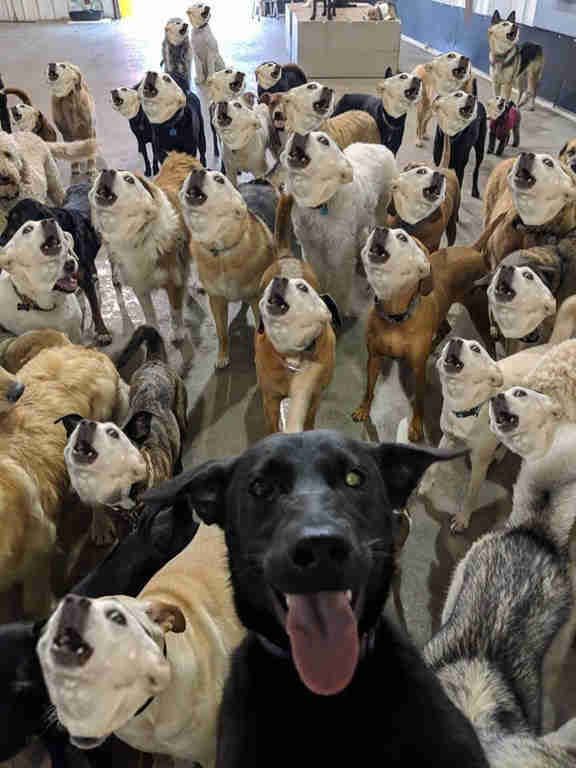
Not every dog is suited for a working role. The best working dogs typically share several important traits:
- High Intelligence: Capable of understanding and remembering commands quickly.
- Strong Work Ethic: Eager to perform tasks and stay focused for long periods.
- Calm Temperament: Able to remain composed in stressful or chaotic environments.
- Physical Endurance: Fit and agile enough to handle physically demanding jobs.
- Loyalty and Bonding: Strong connection with their handler or owner, improving cooperation.
Training Working Dogs
Training is the cornerstone of a successful working dog. Depending on the role, training can last from several months to over a year. Below are key components of working dog training:
1. Basic Obedience
All working dogs begin with foundational obedience training. This includes commands such as:
- Sit, stay, come, heel
- Walking calmly on a leash
- Responding to name and handler’s voice
2. Socialization
Dogs must be confident and calm in various environments, around people, animals, loud noises, and distractions. Socialization starts early and continues throughout their training.
3. Task-Specific Training
After mastering the basics, dogs move on to specialized training tailored to their role. For example:
- Police dogs are taught bite inhibition, suspect apprehension, and scent detection.
- Service dogs learn to open doors, retrieve items, or alert to medical emergencies.
- Herding dogs are trained to respond to voice and whistle commands to move livestock effectively.
Training often involves positive reinforcement, using treats, toys, or praise to reward desired behaviors. Repetition, consistency, and patience are critical.
4. Handler Bonding
The relationship between a working dog and its handler is built on trust and communication. Handlers learn to read their dog’s signals and behavior while reinforcing commands and routines.
Retirement of Working Dogs
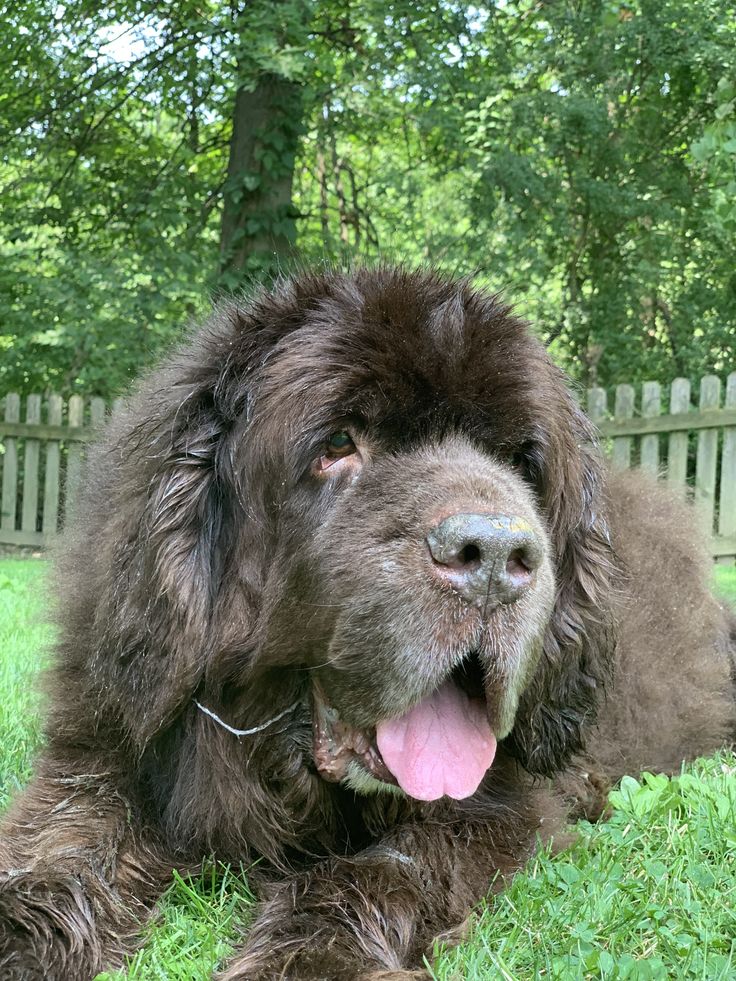
Like people, dogs eventually age and must retire from their working roles. Retirement typically happens between ages 8–10, depending on the breed and the demands of the job. Many retired working dogs live out their lives with their handlers or are adopted into loving homes where they can relax and enjoy a well-earned rest.
Final Thoughts
Work dogs have an amazing function in our community. Whether they save lives, aid people with disabilities, or assist with mental illness, they are not just pets — they are professionals with a mission.
Knowing about their jobs, the commitment of their training, and the breeds that are best for these tasks helps us appreciate the special talents of our dog friends.
If you’re considering a working dog or simply admire their incredible service, remember that behind every skilled dog is a world of training, discipline, and love. They are living proof of what’s possible when humans and dogs work together with trust and mutual respect.