Domestic Dogs are often referred to as “man’s best friend,” and for good reason. Their journey from wild wolves to the loyal companions we know today is one of the most remarkable examples of co-evolution between humans and animals. This story goes back tens of thousands of years and involves biological changes, cultural developments, and an ever-deepening bond between two species.
In this post, we’ll delve into the in-depth history and development of domesticated dogs—how they were originally domesticated, their roles in human history, and how selective breeding created the hundreds of breeds of today.
Table of Contents
Origins of Domestic Dogs
From Wolf to Dog
The domestic dog (Canis lupus familiaris) is a subspecies of the gray wolf (Canis lupus). Dogs, according to genetic and archaeological analysis, were the first animals to be domesticated by humans. This most likely happened between 20,000 and 40,000 years ago, at the close of the Ice Age.
During that period, early humans existed in small nomadic communities, hunting huge beasts and collecting plants. Wolves being natural scavengers and hunters would naturally follow such groups in search of leftover food. As time went on, some wolves started losing their fear of humans and approached human campsites. Friendlier and less aggressive wolves had a better chance of survival around people, but the more aggressive ones avoided them or were chased away.
This mutual advantage—wolves receiving food, humans receiving advance warning of potential threats—initiated a process referred to as self-domestication. Through many generations, wolves started changing into a new subspecies: the domestic dog.
Early Domestication
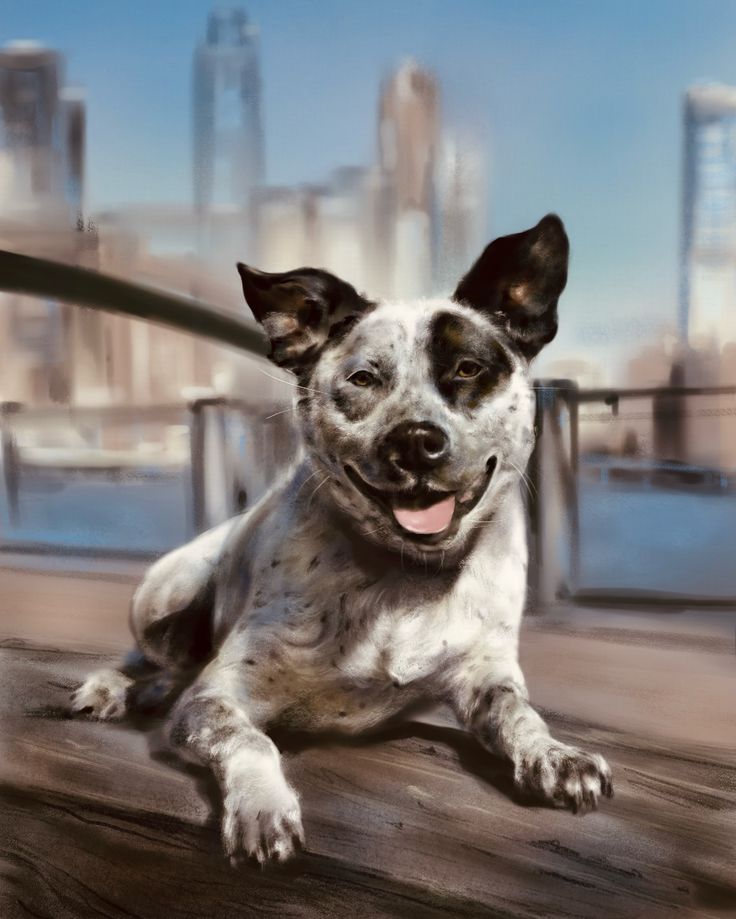
A Mutual Partnership
Domestic Dogs Archaeological findings indicate that early dogs were inhabiting human settlements way back in 14,000 to 15,000 years ago. Dogs might have been domesticated even earlier, according to some studies, with possibilities they were domesticated in several places throughout Europe and Asia.
The oldest known dog burial was discovered in Bonn-Oberkassel, Germany, where humans dated it to more than 14,000 years ago. The dog was buried with humans, implying it was not merely a working animal—it was a companion.
These ancient dogs probably had multiple jobs:
Hunting companions – assisting humans with tracking and retrieving game.
Guards – sounding an alarm for people in the presence of predators or intruders.
Body heat – sleeping next to humans in order to keep warm.
Companionship – establishing emotional connections with people.
This alliance was the first step in an irreversible connection.
The Role of Domestic Dogs during Ancient Civilizations
When human societies developed from hunter-gatherers to agricultural societies, the role of dogs transformed as well. Dogs were no longer merely companions or hunting partners—they were now farm helpers, herd protectors, and guardians.
Domestic Dogs were greatly valued in ancient Egypt, and they were even mummified as humans. They were also painted and shown in tombs and artwork, and certain breeds were owned by the royal family.
Domestic Dogs in Mesopotamia were guard animals and hunting companions. There are mentions of specific breeds of dogs in ancient Sumerian tablets for specific uses.
In China, some breeds such as the Pekingese were bred to inhabit royal palaces. In Central Asia, on the other hand, powerful guardian dogs such as the Tibetan Mastiff guarded livestock against predators such as wolves and leopards.
The dogs adapted to their environment and to human culture, and their physical and behavioral characteristics started to become more distinct from those of their wolf ancestors.
The Birth of Dog Breeds

Domestic Dogs were first bred for function, rather than for appearance. For instance:
Herding dogs such as Border Collies and Australian Shepherds were bred for mind and instinctive control of herd animals.
Sled dogs such as Siberian Huskies were bred for long-distance endurance and ability to withstand cold temperatures.
Guard dogs such as Rottweilers and Mastiffs were bred for strength and loyalty.
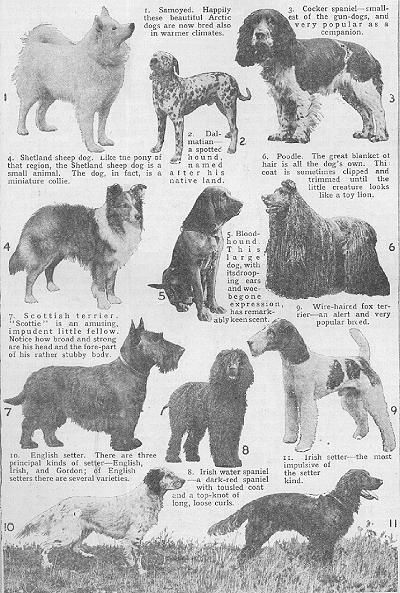
But Domestic Dogs in the Victorian period (1800s), things changed big time. Breeding of dogs became more organized. The first dog shows took place in England, and clubs such as the Kennel Club developed breed standards based not only on purpose, but also on appearance and temperament.
This is when most of the modern breeds were “bred” by selectively breeding dogs with certain characteristics. This artificial selection amplified the diversity of dog size, shape, and behavior. But it also brought along issues such as genetic illness from inbreeding, particularly for breeds bred for looks over health.
Dogs in the Modern World
Nowadays, dogs have more functions in society than ever. Some of these include:
Working dogs: German Shepherds and Malinois are utilized by the military and police for protection and detection work.
Service dogs: Golden Retrievers and Labradors help individuals with disabilities—guiding the blind, seizure detection, or offering emotional support.
Therapy dogs: Employed in hospitals and care homes to offer comfort to patients.
Rescue dogs: Trained to locate survivors in catastrophes such as earthquakes or avalanches.
Pets: Innumerable dogs all over the world are part of the family, giving emotional support and enhancing the quality of life.
Domestic Dogs are no longer companions to survival, but central elements of human society, culture, and even their mental well-being.
Scientific Insights: How Dogs Evolved with Us
New genetic studies show some incredible dog adaptations:
Domestic Dogs possess more amylase genes than wolves, facilitating them to digest carbohydrates and starch—a human diet adaptation.
Domestic Dogs are able to read human emotions. They react better to facial expressions and tone of voice than any other animal, even chimpanzees.
They can empathize and be jealous, and even guilty—though guilt-like behavior is possibly just a reaction to human body language.
These behaviors are not simply instincts—they’ve built up over thousands of years of living with humans.
Conclusion
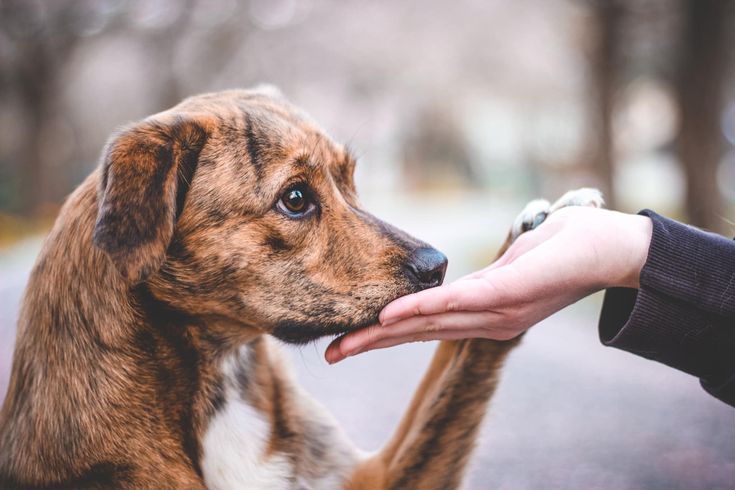
A Bond Forged by Time
The history of the domestic dog is one of survival, cooperation, and affection. From free wolves to comfortable pets, the history of dogs mirrors the history of human civilization itself. Dogs have learned not only to live in our environments but also to live in our emotions and needs.
Whether assisting us in hunting ancient forests, protecting our farms during medieval periods, or snuggling beside us in contemporary homes, dogs have been by our side.