The Role of Dogs, Dogs and humans have been close companions, helpers, and protectors for thousands of years. Among their many notable roles is their assistance with military and law enforcement operations. Their extraordinary senses, loyalty, and intelligence make them invaluable in situations where even state-of-the-art technology isn’t always enough. From identifying explosives to apprehending criminals, dogs are crucial to maintaining safety and security globally.
Table of Contents
A Brief History of Working Dogs in Security
Dogs have long been used in both law enforcement and combat. Dogs were trained for protection, tracking, and even fighting by ancient societies like the Romans and Egyptians. More recently, dogs helped soldiers in both World Wars by delivering messages, detecting mines, and boosting morale. Their accomplishments in these capacities established the groundwork for organized canine programs in law enforcement and the military, which are still growing today.
Why Dogs Are So Effective in Service Work
Dogs possess several natural traits that make them uniquely suited for law enforcement and military tasks:
- Extraordinary Sense of Smell: A dog’s nose contains up to 300 million scent receptors, compared to about 5 million in humans. This allows them to detect drugs, explosives, or even trace scents of missing persons that machines often miss.
- Acute Hearing: Dogs can hear frequencies up to 65,000 Hz, enabling them to detect sounds and movements far earlier than humans.
- Agility and Speed: Their physical strength, agility, and speed make them capable of chasing and subduing suspects effectively.
- Trainability and Loyalty: Breeds like the German Shepherd, Belgian Malinois, and Labrador Retriever are intelligent, eager to please, and capable of learning complex tasks.
Roles of Dogs in Police Work
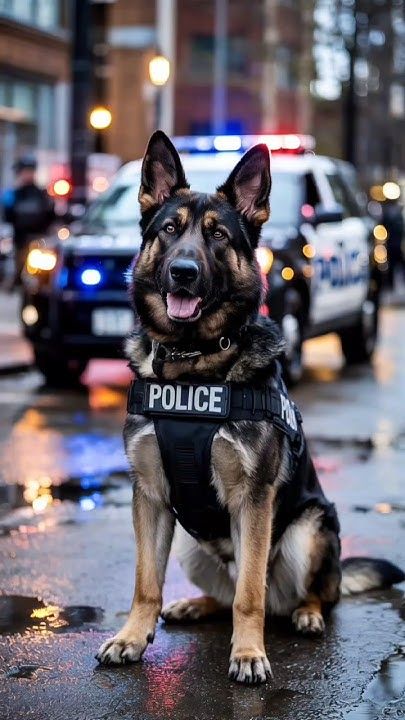
Police dogs, often referred to as K9 units, are integral to modern law enforcement agencies around the world. Their roles are diverse and specialized, including:
1. Detection Work
- Drug Detection: Dogs can sniff out narcotics in vehicles, luggage, and even concealed containers.
- Explosives Detection: Trained canines are often used in airports, stadiums, and high-security areas to detect explosives and prevent attacks.
- Forensic Assistance: Some dogs can detect accelerants in arson investigations or identify human remains, helping solve complex cases.
2. Search and Rescue (SAR)
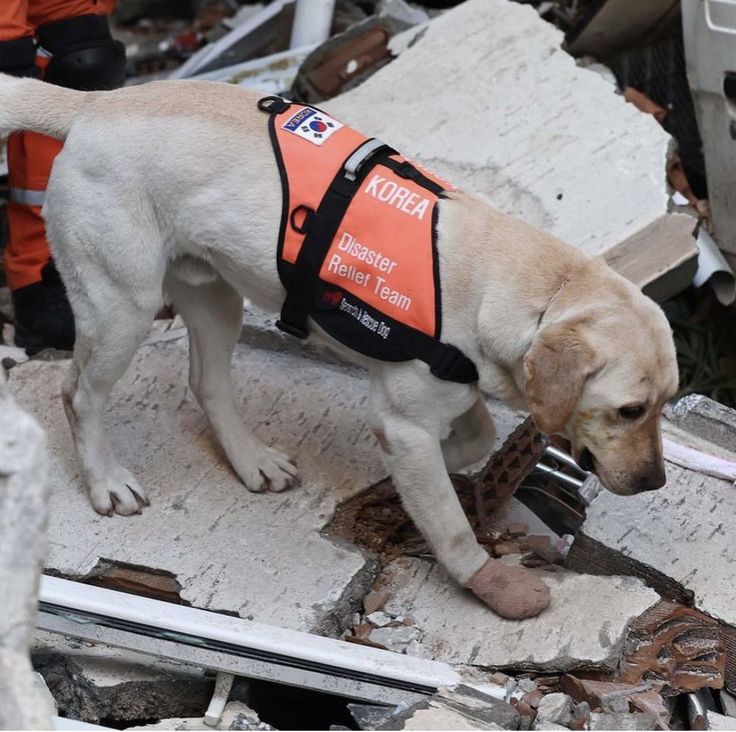
Dogs play a vital role in locating missing persons, whether lost in the wilderness or trapped under debris after natural disasters. Their ability to cover vast areas quickly and detect faint human scents makes them invaluable in time-sensitive operations.
3. Criminal Apprehension and Patrol
The Role of Dogs; Police dogs are trained to chase, hold, and subdue fleeing suspects. Their presence alone often deters crime, as many offenders surrender when faced with a trained K9.
4. Crowd Control and Security
In large gatherings, dogs help officers maintain order and provide a psychological deterrent against violence. Their keen senses also alert officers to hidden dangers in crowded environments.
Roles of Dogs in Military Work
The Role of Dogs, Military working dogs (MWDs) have been called “force multipliers” because they enhance the effectiveness of soldiers in ways machines cannot. Their contributions extend beyond traditional security roles:
1. Explosive Detection
Perhaps the most critical role in modern warfare, dogs detect improvised explosive devices (IEDs) and landmines. This capability has saved countless lives in conflict zones such as Iraq and Afghanistan.
2. Patrolling and Guarding
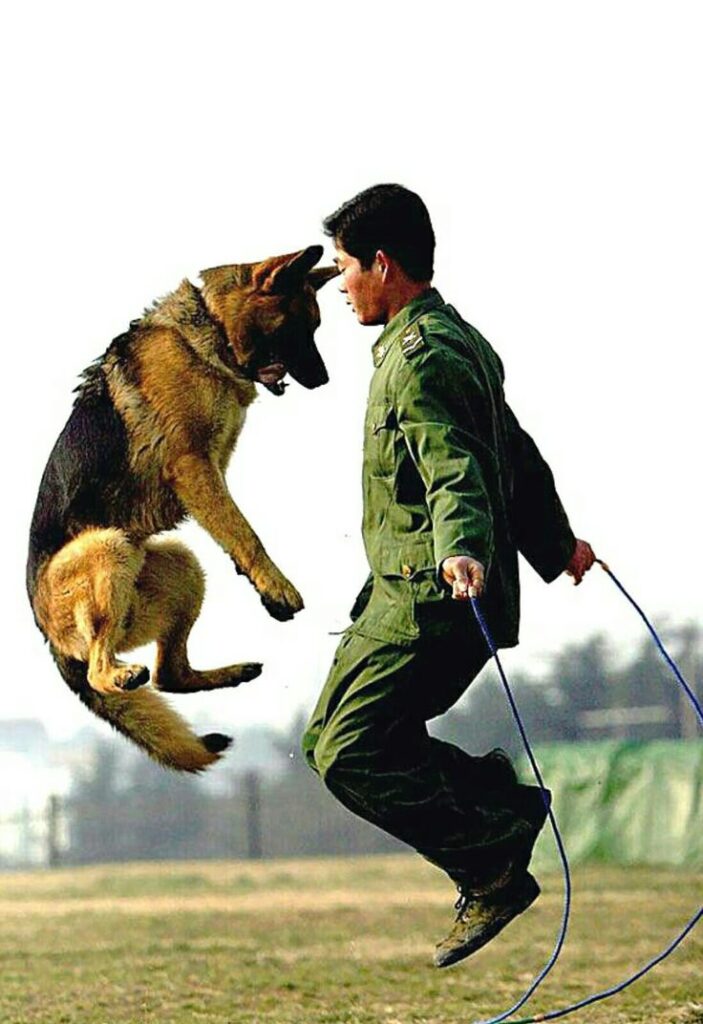
Dogs patrol military bases, airfields, and checkpoints, providing early warnings against intruders or potential threats. Their presence strengthens perimeter security and reduces risks for soldiers.
3. Tracking and Reconnaissance
The Role of Dogs, In combat zones, military dogs can track enemy movements, locate hidden weapons, or even scout ahead of troops. Their ability to move silently and sense danger gives soldiers an edge.
4. Search and Recovery
The Role of Dogs, Like in civilian search and rescue, military dogs help locate missing soldiers or civilians in disaster-stricken or combat areas.
5. Psychological Support
Beyond their tactical roles, dogs offer emotional support to troops. The Role of Dogs, Many soldiers report reduced stress and boosted morale when working with or simply being around dogs.
Training Police and Military Dogs
Training service dogs is a highly specialized process requiring patience, skill, and consistency. Puppies are carefully selected for temperament, health, and intelligence. The Role of Dogs, Once chosen, their training may span months or years, depending on their assigned role.
- Obedience Training: Establishes control, ensuring the dog responds reliably to commands.
- Specialized Skills Training: Dogs are trained for specific tasks such as scent detection, tracking, or apprehension.
- Handler Bonding: Perhaps the most important aspect, the bond between handler and dog is built through trust and constant interaction. This partnership is critical in high-pressure situations.
- Ongoing Training: Even after initial certification, dogs undergo regular refresher training to keep their skills sharp.
Retirement and Care of Service Dogs
The Role of Dogs, Police and military dogs dedicate their lives to protecting humans, and their welfare after service is just as important as their active duty. When they retire—usually due to age or injury—many are adopted by their handlers or placed in loving homes. Organizations around the world work to ensure retired service dogs live comfortable, peaceful lives after years of dedication.
Challenges and Ethical Considerations
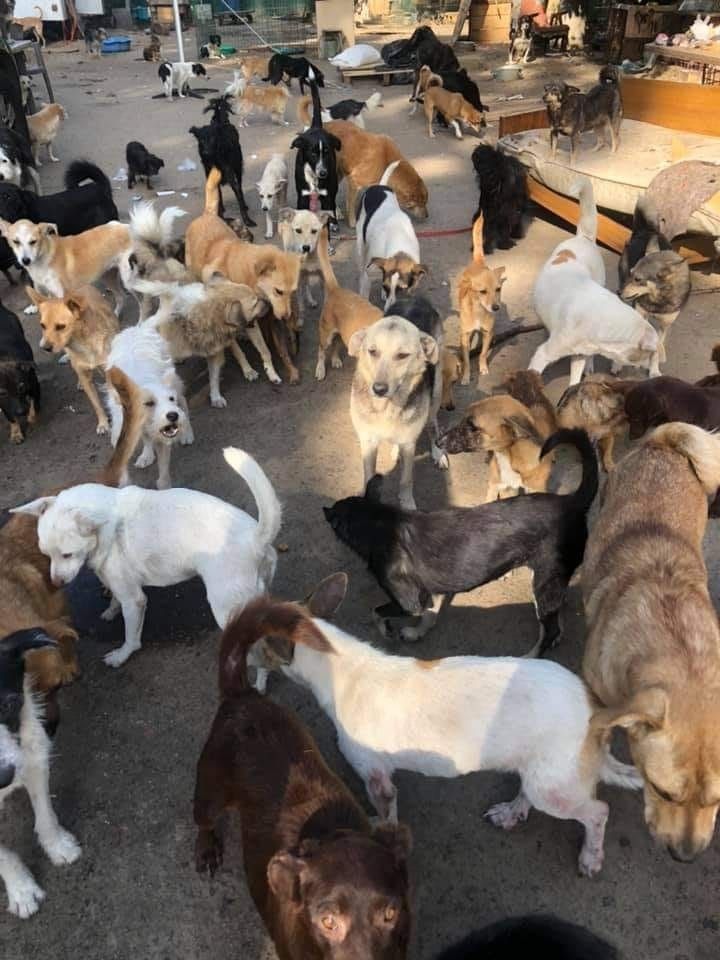
While dogs bring immense benefits, their use also comes with responsibilities:
- Welfare and Safety: Service dogs often work in dangerous environments, so ensuring their protection is vital.
- Training Demands: Not all dogs succeed in training, and ethical programs ensure unsuitable dogs are placed in homes instead of being discarded.
- Retirement Support: Governments and organizations must commit resources to the medical and daily care needs of retired dogs.
Conclusion
One potent illustration of the human-animal bond in action is the use of dogs in law enforcement and military operations. They contribute in ways that technology cannot completely duplicate, acting as partners, protectors, and even lifesavers. Dogs represent loyalty and bravery whether they are sniffing out explosives, pursuing suspects, or consoling soldiers on the battlefield.
Their commitment serves as a reminder that these four-legged heroes are deserving of our gratitude and respect, both during and after their service. Without the silent, unrelenting efforts of these amazing animals, we would not have the safety and security we do today in many ways.