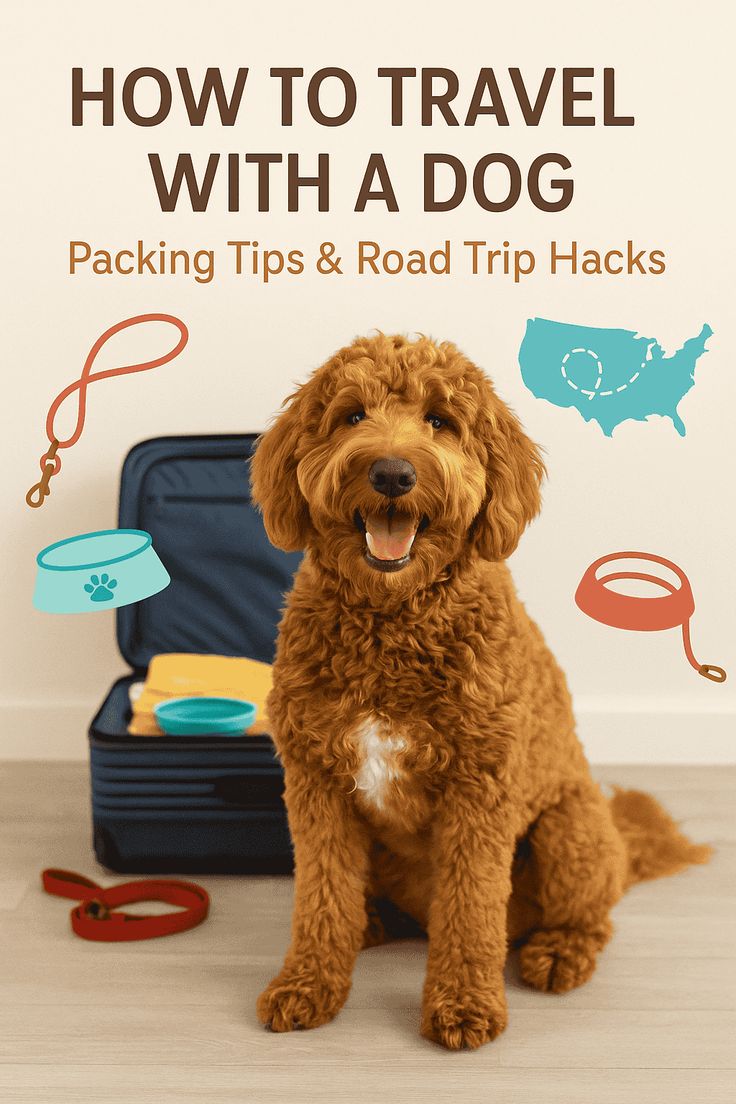
Traveling with Dogs are more than just friends to many pet owners; they are members of their family. Naturally, it doesn’t always feel right to leave them behind when it comes to trip planning. Whether it’s a road trip across the country, a weekend retreat, or even an airplane flight, taking your dog along can enhance the experience. To guarantee their security, comfort, and general wellbeing, however, traveling with dogs necessitates meticulous preparation. We’ll go over important pointers in this guide to help you get ready for your next trip with your pet.
Table of Contents
1. Preparing Before the Trip
Veterinary Checkup
Make an appointment with the veterinarian before you leave. Make sure your dog is vaccinated and healthy enough to travel. Talk about heartworm, flea, and tick prevention when traveling long distances. Verify the pet health requirements of the destination if you’re traveling abroad, as some nations require quarantine periods or health certificates.
Identification and Microchipping
Traveling with Dogs Always make sure your dog wears a collar with an updated ID tag that includes your phone number. Microchipping is an additional layer of protection in case your dog gets lost. Carry a recent photo of your dog—it can be extremely helpful if you need to ask locals for assistance in finding them.
Packing Essentials
Just like you pack for yourself, your dog needs their own travel bag. Include:
- Food and water (plus travel-friendly bowls)
- Leash and harness
- Waste bags
- Medications
- Toys and comfort items
- Bedding or blanket
- Grooming supplies
- First-aid kit for pets
Having these essentials ready will keep your dog comfortable and reduce stress.
2. Traveling by Car
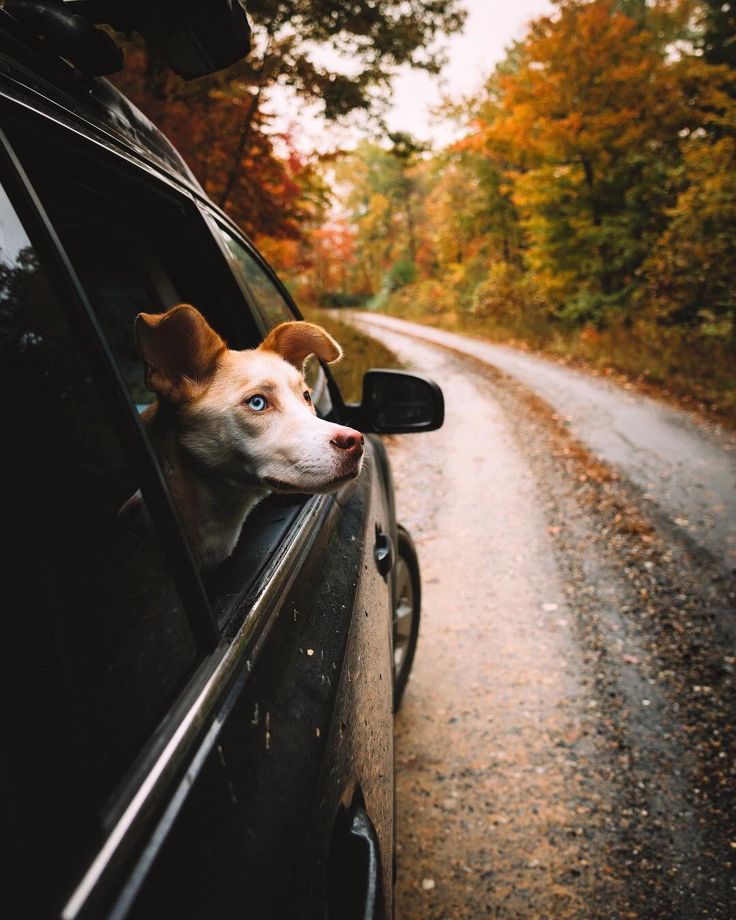
Traveling with Dogs For many dog owners, car travel is the most common way to explore. While dogs often enjoy sticking their heads out of the window, safety should always come first.
Safety Restraints
Unrestrained dogs can be dangerous both for themselves and for you as the driver. Consider using a crash-tested harness, pet seat belt, or a secured crate. This not only protects your dog during sudden stops or accidents but also minimizes distractions.
Comfort During the Ride
Make frequent stops—every 2–3 hours—for bathroom breaks and exercise. Traveling with Dogs Never leave your dog alone in a parked car, as temperatures inside can become life-threatening in minutes. Keep water handy and offer small, regular amounts to prevent dehydration.
Managing Anxiety
Some dogs get anxious during car rides. Introduce them to short trips first before attempting long journeys. Bringing their favorite blanket or toy can provide comfort, and in some cases, your veterinarian may recommend anti-anxiety solutions.
3. Traveling by Air
Air travel with dogs requires more planning and, in some cases, can be stressful for your pet.
Cabin vs. Cargo
Small dogs may be allowed in the cabin if they fit in an airline-approved carrier under the seat. Larger dogs typically must travel in the cargo hold, which can be less comfortable and more stressful. Always check your airline’s specific pet policy well in advance.
Choosing the Right Carrier
If your dog must travel in cargo, choose a sturdy, well-ventilated crate that meets International Air Transport Association (IATA) standards. Label the crate with your contact information and include familiar bedding or a piece of clothing with your scent to comfort your dog.
Timing Matters
Try to book direct flights to reduce stress and avoid long layovers. Also, consider the time of year—extreme heat or cold can be dangerous for pets traveling in cargo. Some airlines even restrict pet travel during peak weather conditions.
4. Pet-Friendly Accommodations

Make sure the hotel, rental house, or campground allows pets when making reservations. In addition to allowing dogs, many hotels also offer extras like bowls, dog beds, and even special treats. Always inquire about breed or size restrictions as well as extra costs.
To help your dog adjust to the new surroundings, bring a familiar blanket or their bed. To lessen anxiety, quickly establish a routine that includes regular feeding and walking times.
5. Outdoor Adventures
If your travels involve hiking, camping, or outdoor exploration, additional considerations come into play.
- Leash Laws: Always respect local rules regarding leash use to keep your dog and wildlife safe.
- Hydration: Carry enough water for both you and your dog, and avoid letting them drink from stagnant puddles or rivers that may contain harmful bacteria.
- Paw Protection: Hot pavement, rough trails, or snow can hurt your dog’s paws. Dog booties or paw wax can help.
- Safety First: Be mindful of ticks, snakes, and other hazards depending on the environment.
6. Keeping Your Dog Comfortable
A comfortable dog is a happy travel companion. Here are some ways to make the journey stress-free:
- Familiar Scents: Pack their favorite toys, blanket, or bed to make unfamiliar spaces feel familiar.
- Routine: Stick as closely as possible to your dog’s feeding and walking schedule.
- Exercise: A tired dog is less likely to be anxious. Give them plenty of physical and mental stimulation before long stretches of travel.
- Diet: Avoid changing their diet abruptly during travel, as it can cause stomach upset.
7. Safety First, Always
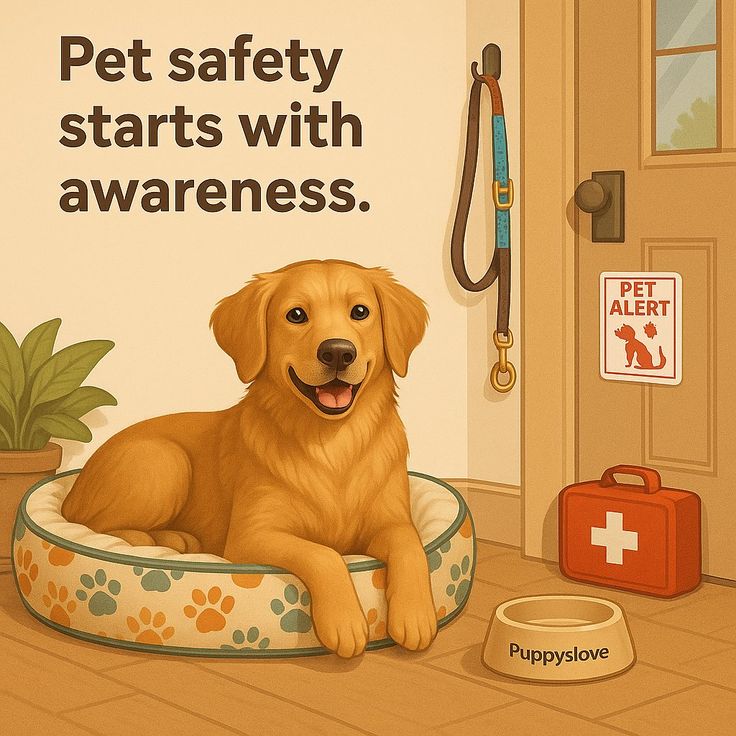
Above all, prioritize your dog’s safety. Keep them leashed in unfamiliar areas, secure them in vehicles, and be mindful of temperature extremes. A little extra caution goes a long way in ensuring a smooth and enjoyable trip.
Final Thoughts
Taking your dog on a trip can be a very fulfilling experience. You can make enduring memories while keeping your pet safe and content if you plan ahead, pay attention to safety, and prioritize comfort. The secret is planning, whether you’re going on a big city adventure, a romantic cabin getaway, or a road trip through picturesque areas. Since our dogs provide us with unconditional love, it is only fitting that we make their travels as pleasurable as our own.