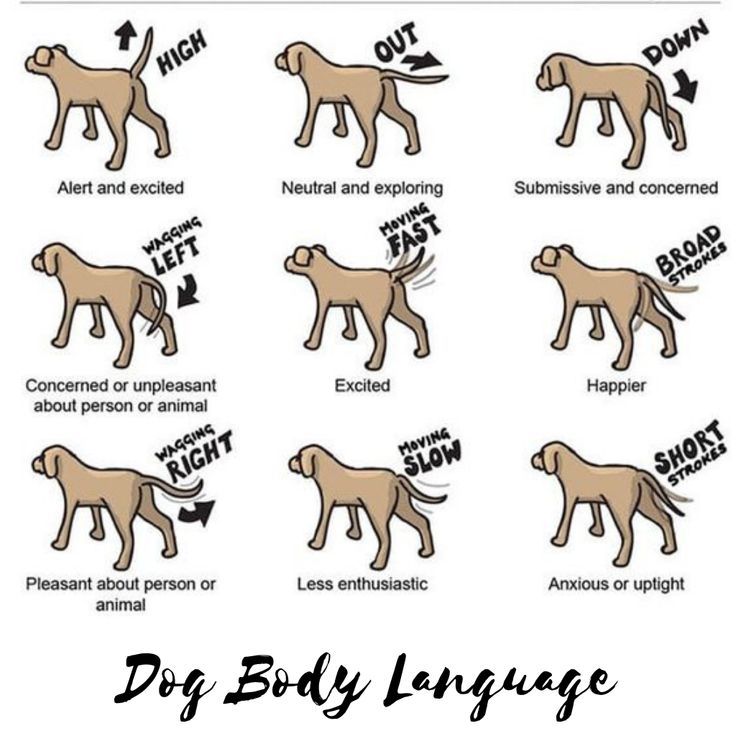
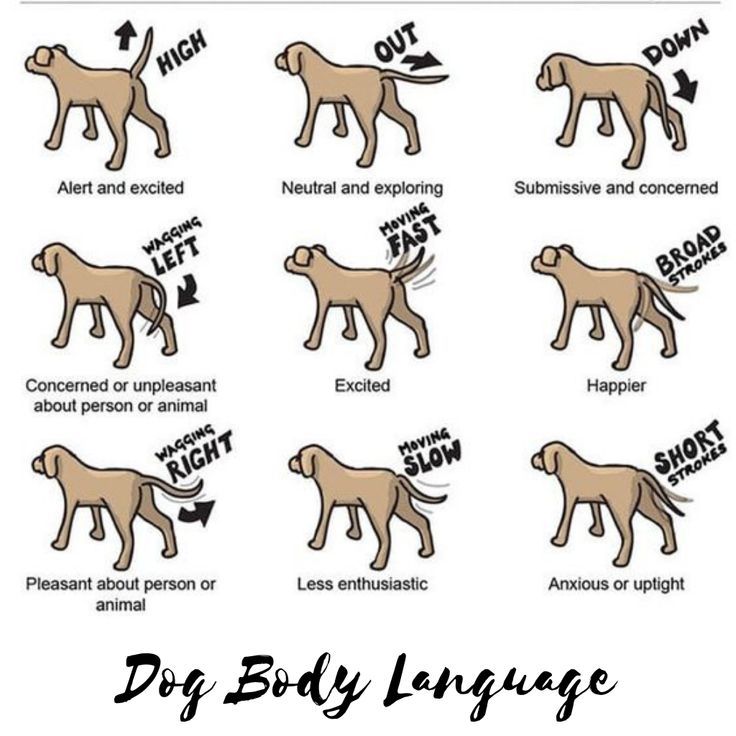
Understanding Dog Body Language. Dogs do not speak English, but they are great communicators. By using body language, facial cues, vocalizations, and behavior, dogs continuously convey their feelings, intentions, and requirements. Being good dog owners, it is important to be aware of your dog’s body language in order to foster a good relationship, avoid misunderstandings, and provide a secure and pleasant living situation for both parties.
In this blog, we’ll explore how dogs communicate, break down common signs and signals, and offer tips for interpreting your dog’s behavior more accurately.
Table of Contents
Why Understanding Dog Body Language Matters
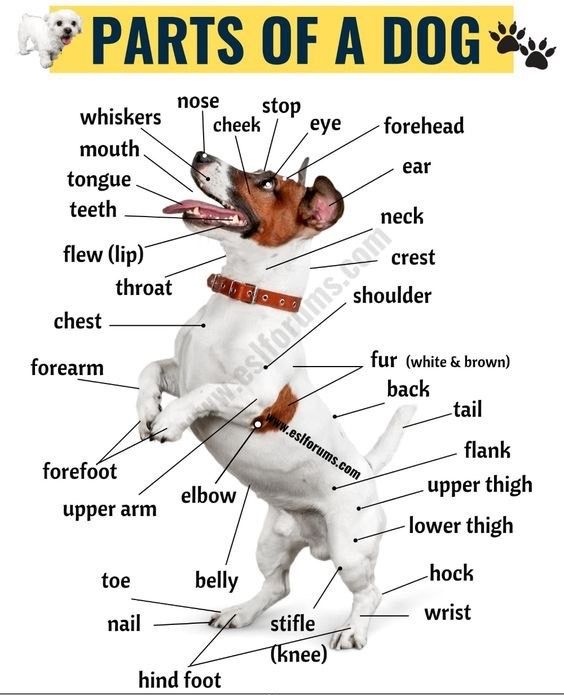
Humans rely heavily on verbal communication, but dogs are primarily non-verbal. They use a complex combination of body posture, movement, and facial expression to interact with their environment and those around them.
By learning how to “read” your dog, you can:
- Identify stress, fear, or discomfort early
- Prevent aggression or reactive behavior
- Strengthen trust and your emotional bond
- Improve training effectiveness
- Create a calm and respectful environment
Misinterpreting a dog’s body language can lead to conflicts, fear, or even bites—especially when interacting with unfamiliar dogs or children.
Key Elements of Dog Body Language
Understanding Dog Body Language. Let’s break down the most important parts of a dog’s body and how they signal different emotional states:
1. Tail
Understanding Dog Body Language. A dog’s tail can tell you a lot about their mood:
- Wagging high and fast: Excitement, high arousal—sometimes aggression.
- Wagging loosely: Friendly, happy, relaxed.
- Low tail or tucked between legs: Fear, submission, anxiety.
- Stiff, raised tail: Alert, confident, possibly aggressive.
Note: Tail wagging doesn’t always mean the dog is happy—watch the rest of the body for context.
2. Ears
Understanding Dog Body Language. Ears are highly expressive and vary by breed, but general rules apply:
- Erect and forward: Alert, curious, confident.
- Laid back or flat: Fear, submission, nervousness.
- Relaxed ears: Calm and content.
Watch for sudden changes in ear position—it often signals a change in the dog’s emotional state.
3. Eyes
Dogs express a lot through their eyes:
- Soft, blinking eyes: Relaxed, friendly, content.
- Wide-open, staring: Fear, alertness, or potential aggression.
- Whale eye (white of the eye showing): Stress, discomfort, fear.
- Avoiding eye contact: Submission or trying to avoid confrontation.
Eye contact in dogs can be perceived as threatening, especially between unfamiliar dogs or with strangers.
4. Mouth and Facial Expression
Understanding Dog Body Language. The mouth is another important clue to how your dog is feeling:
- Relaxed mouth, tongue out: Calm, happy.
- Panting (not due to heat): Stress or excitement.
- Lips pulled back, showing teeth: Warning sign—could be fear or aggression.
- Yawning or licking lips: Displacement behavior, often seen in stress.
Facial tension around the muzzle can indicate discomfort, especially when paired with other tense body signals.
5. Body Postur
Understanding Dog Body Language. A dog’s full-body stance provides context to their mood and intent:
- Loose, wiggly body: Happy, relaxed, friendly.
- Stiff body, leaning forward: Alert, defensive, potentially aggressive.
- Crouched, low posture: Fear, submission.
- Rolling over and exposing belly: Could be relaxation or submission—context matters.
6. Vocalizations
Understanding Dog Body Language. Though not strictly body language, sounds are a key part of canine communication:
- Barking: Can signal alertness, excitement, fear, or playfulness—tone and frequency matter.
- Growling: A warning—don’t punish it. It’s a dog’s way of saying “I’m uncomfortable.”
- Whining: Anxiety, desire for attention, or discomfort.
- Howling: A form of communication, often instinctive or triggered by sounds.
Always observe vocalizations alongside body language for accurate interpretation.
Common Dog Emotional States and How They Look
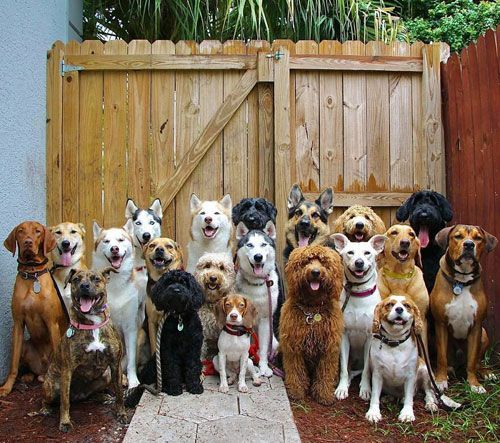
Understanding Dog Body Language. Let’s combine these elements to identify common emotional states in dogs:
Happy and Relaxed
- Tail wagging loosely at mid-height
- Soft eyes, blinking or squinting
- Relaxed ears and body
- Open mouth, possibly panting lightly
This dog is approachable and comfortable.
Stressed or Anxious
- Yawning, lip licking, or excessive panting
- Whale eye or avoiding eye contact
- Tucked tail, lowered body
- Ears pulled back
Give this dog space and try to identify the stressor.
Fearful or Submissive
- Cowering or crouching
- Tail tucked under body
- Avoiding eye contact
- May roll over to show belly
Avoid sudden movements or loud noises. Let the dog come to you.
Aggressive or Defensive
- Stiff posture, raised hackles
- Direct stare, growling, snarling
- Tail stiff and raised
- Ears forward or flat, lips curled
Back away slowly—do not provoke. Respect this clear warning.
Playful
- Play bow (front end down, rear end up)
- Tail wagging quickly
- Mouth open, relaxed face
- Bouncing or running in circles
An invitation to interact or play!
Tips for Better Communication with Your Dog
- Watch the whole body: One signal (like a wagging tail) can be misleading alone. Always consider the full picture.
- Learn your dog’s individual quirks: Every dog is unique. What’s normal for one may not be for another.
- Use positive reinforcement: Reward calm, appropriate behavior. Avoid punishing warning signs like growling—it can suppress communication and make behavior worse.
- Be calm and consistent: Your energy affects your dog. If you’re anxious or angry, they may mirror that stress.
Children and Dog Communication
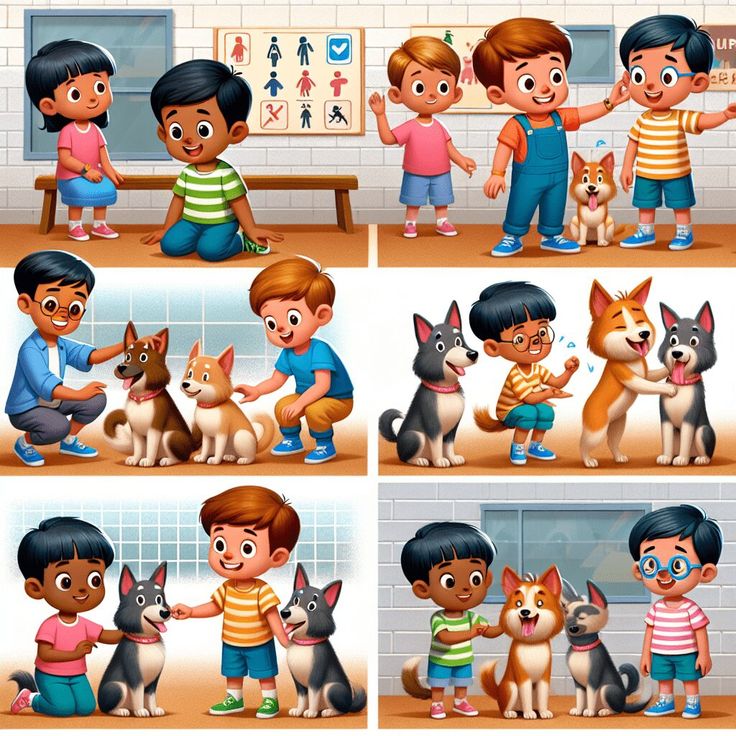
Children often misread dog signals. Teach them:
- Never to approach a dog who’s eating, sleeping, or hiding.
- To pet dogs gently and not hug or grab them.
- To stop interaction if the dog moves away or shows stress signals.
Supervision is always necessary with young children and dogs.
Final Thoughts
Understanding Dog Body Language. Dogs lead complex emotional lives and subtle forms of communication. One of the most valuable skills you can learn as a pet parent is how to read your dog’s body language. Not only does it avoid problems—it strengthens your relationship and makes your dog feel safe, respected, and heard.
Recall: dogs are always “talking”—it’s our turn to learn how to listen.
Bonus Tip: Spend time watching your dog in different situations—at the park, around other dogs, with strangers. Take mental notes. Over time, you’ll develop a sixth sense for your dog’s unique language.